


Design Fees and an Architect’s Career Journey – A Direct Correlation
A few thoughts while waiting to gather enough quotes & documents to send to the client:
What makes a design package successful? Does the built project match the architect’s design? Does the construction cost align with the estimate provided by the design consultant?…
The answer is: a smart client, a reasonable contractor & fewer unsolicited opinions from bystanders.
This post focuses only on the smart client! The next one will cover the other two factors. So what makes a client “smart”?
1/ When you pay an architect to work, you’re investing in your future life. Everything has its price. When you buy a permit drawing just to satisfy government requirements, naturally you get a document that only serves that purpose—and the fee you pay reflects exactly that level of effort.
2/ When you pay your architect a more generous fee, squeeze every bit of value from them. Hehe. If you’re a smart client, ask your architect to propose options & pricing for the design package you need. Research them—the same way you’d choose a doctor when your child has a fever.
I have a female client with great aesthetic sense, strong financial management skills, and the ability to compare supplier prices. So naturally, what she needs from me is just architecture & landscape design. Ok, fine! I don’t overstep because she knows what she needs. Just complete architectural, structural & MEP drawings (of course, we clarify her bed size preferences—some people need a 2-meter bed for co-sleeping with small children, others just need standard. These specs affect the electrical layout).
I also have a foreign client who can’t communicate well with local contractors/workers, but has more than enough knowledge to know if they’re doing things right or wrong. Ok, fine! Similar documentation as above. Plus a supervision package twice a week & online consulting whenever needed—like selecting finishing materials or helping him compare quotes from suppliers/subcontractors.
I also have clients who don’t have time to manage their home, or live far away and can’t oversee things closely. Ok, fine! I offer a project management package. Of course, this isn’t cheap. If you’re building a house and managing it yourself, obviously you need to understand it, understand the market, understand the technical aspects & dedicate significant time to it. If you think an architect makes 100 million profit on a house, consider everything I just listed. You might build 1-2 houses in your lifetime; an architect manages at least 10 residential projects a year. Experienced hands, experienced workflow, experienced with pressure, experienced with pushing to meet deadlines & experienced with handling “those annoying neighbors” (hehe). Can you really compare?
3. Stick to the budget framework your design consultant provides. Neither more nor less—you’ll be able to keep your home within your budget, within your reach. The estimate is precise down to every cubic meter of soil; it’s not just there to make the documentation look complete! Just take time to read and understand it, and if you can add, subtract, multiply and divide, you can manage your own home. If you don’t understand something, ask your consultant—they’re happy to answer. Squeeze every bit of value from your architect.
4. What does “squeezing value from your architect” mean? If an architect pours their heart into your home, they’re willing to let you squeeze them dry. Just make sure your demands match what you’re paying them!
The female client I mentioned: she has time & aesthetic sense, so she can manage the interiors herself. But occasionally she stops by the office asking me to help pick paint colors, tile patterns, curtain fabrics… I always welcome her warmly! No one abandons their “child” in the middle of the market. Except for unreasonable requests, I always follow through until the project is complete.
The foreign client I mentioned: right on schedule, he’d ask “do you think this part is good enough? Or could it be even better?” So I rack my brain to make everything work better, look better.
5. Stay confident & respect the time and money you’ve paid your design consultant. Only by respecting yourself & others can you achieve what you want. Changes during construction will naturally occur. Except for the most steadfast clients or those with absolute trust in their design consultant (maybe about 20%), all clients want to change a few things during construction. So, circle back to points 1, 2, 3, 4 above.
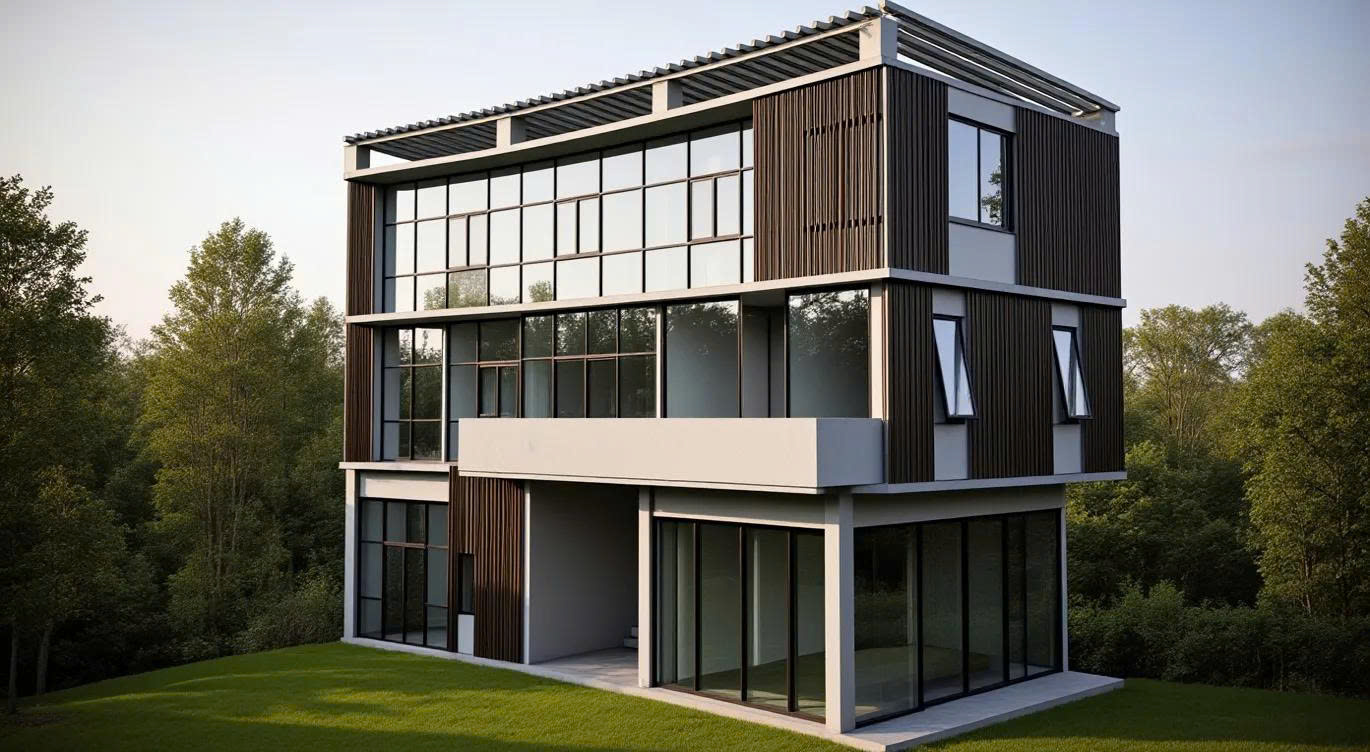
Building Regulations – Reality & Implementation
Monday marks the start of the week. Still working, right? Had some free time so I edited this post. (1) The other day I came across this rather interesting saying: "buried beneath the dragon's
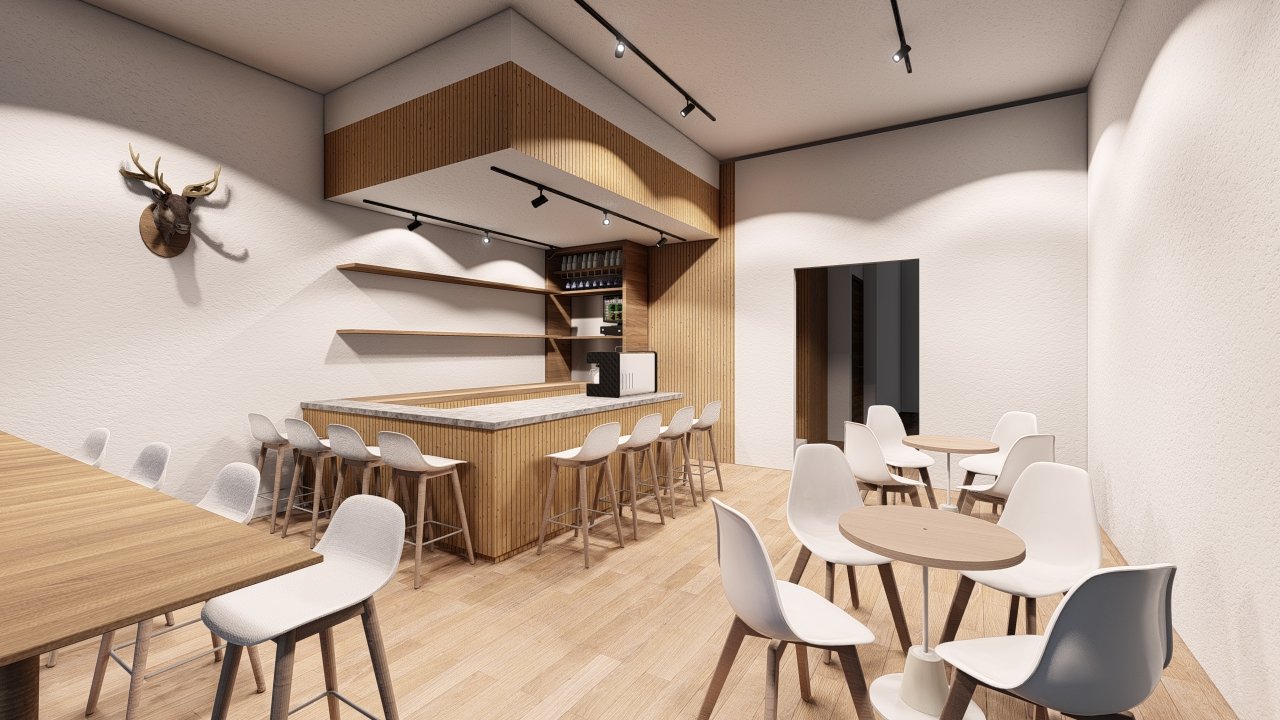
Design Fees and an Architect’s Career Journey – A Direct Correlation
A few thoughts while gathering quotes & documents for our client: What makes a design package successful? Will the built project match the architect's design? Will construction costs align
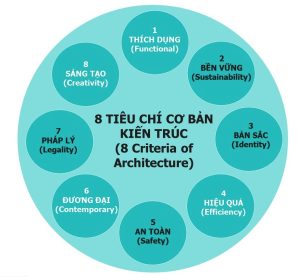
Villa Rental / Homestay / Boutique Apartment Design Solutions in Hoi An:
Design Solutions for Rental Villas/Homestays/Boutique Apartments in Hoi An: We identify 5 key features to ensure a successful project: functionality, durability, adaptability, economy, and
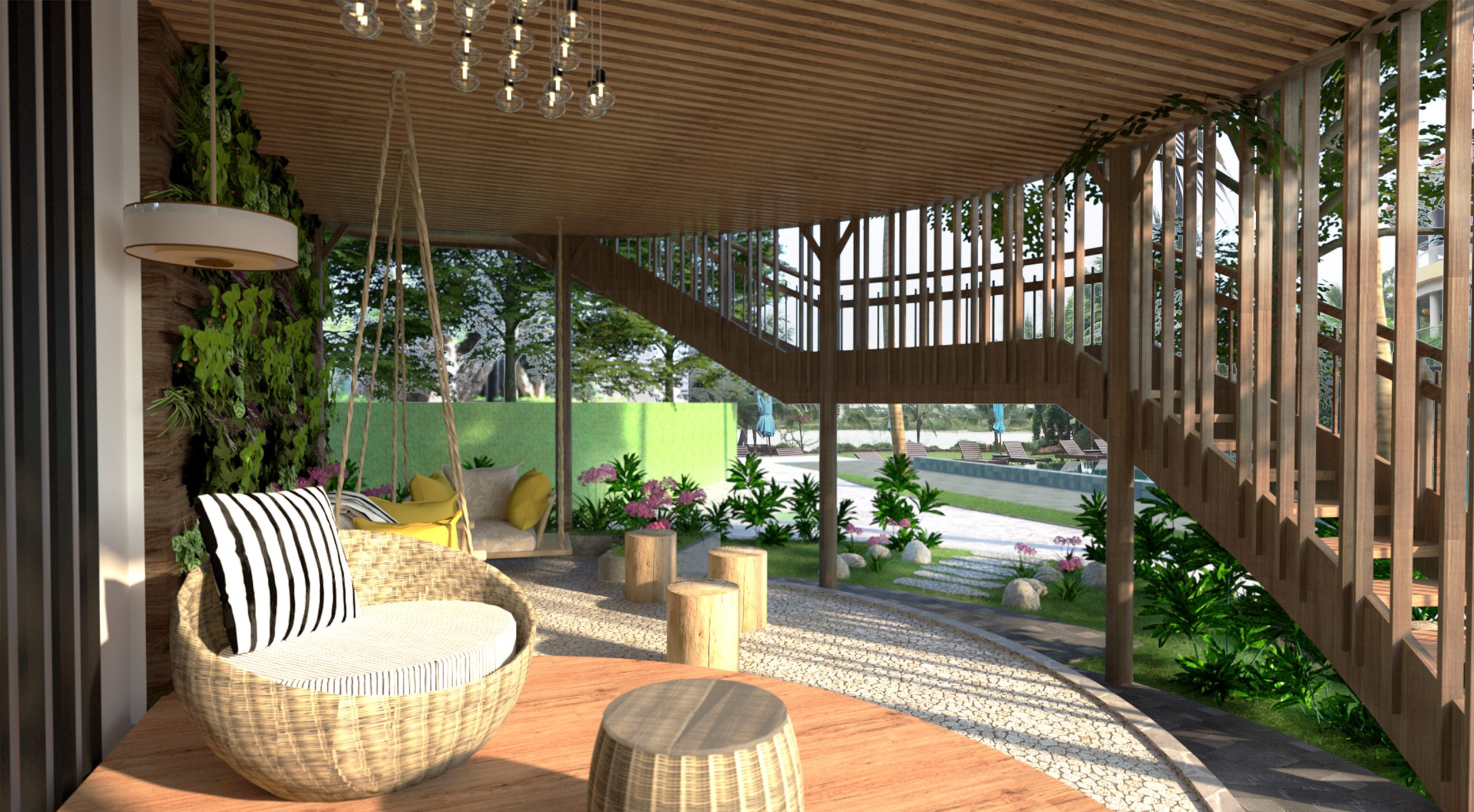
Architecture Design & Project Management Costs in Central Vietnam (Hoi An)
Architecture Design & Project Management fees in Vietnam (Hoi An) is a fascinating topic. Some practice websites present it softly, like this: Meanwhile, some fellow practitioners take a firm

Namia Resort Retreat – Sustainable Building Materials for Eco-Friendly Architecture in Hoi An
I made a promise to a colleague from the Project Management team at HG Investment that one day, when time allowed, I would write about Namia from a professional perspective—an objective view