

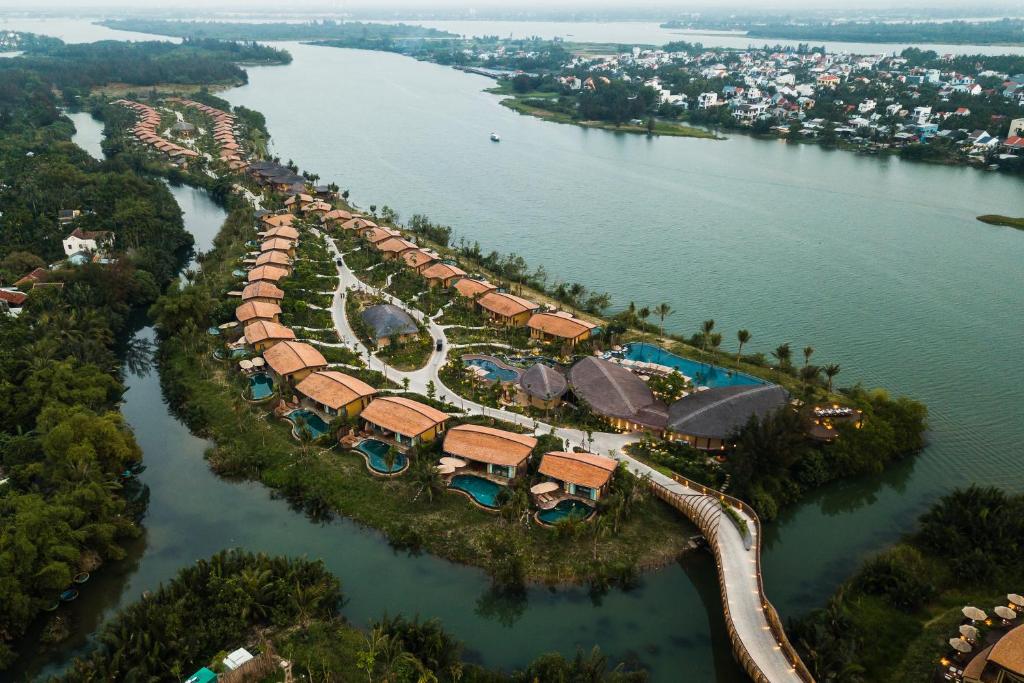
Namia Resort Retreat – Sustainable Building Materials for Eco-Friendly Architecture in Hoi An
I made a promise to a colleague from the Project Management Board of investor HG, that one day when I had time, I would write about Namia from the perspective of:
- Professional expertise, the objective view of a lead architect on the project, not under anyone’s management.
- The perspective of an apprentice CEO with a lean operations story in the post-Covid era.
- The perspective of a project manager overseeing architectural and interior finishing works, in accordance with the contract terms that Tổ Ấm signed with HG Corporation.
- The serendipity of sitting at Namia twice with two different “Jobs to be done.”
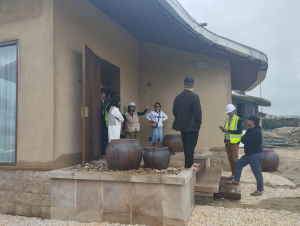
(In this photo, I’m wearing a VCC safety helmet, standing with the HG investor team, project management board, LW operations unit, and VCC leadership during the early days at the mock-up villa)
Within the scope of today’s article, we’ll dive deep into topic number 1 – what someone with expertise in architecture and urban development has to say about Namia, through the lens of construction material selection.
** ARCHITECTURAL AND INTERIOR FINISHING MATERIALS: In November 2023, I accepted an invitation to support Viettel Construction (VCC) in presenting to the investor, design consultants, and operations unit regarding finishing materials for the Single River Villa mock-up. My first impression upon seeing the design moodboard was pure elation – the feeling of “Ah! I’ve found a piece of our national soul right here.” Everything we had been searching for and wanting to apply in our upcoming work, Namia had it all:
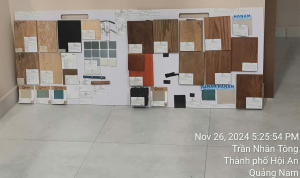
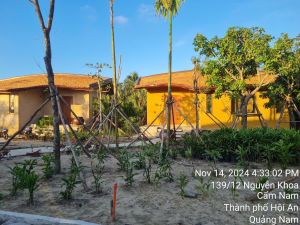
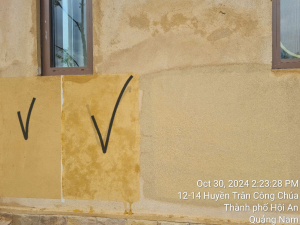
A/ Exterior walls: an old technique made new. The construction method isn’t much different from how our grandparents whitewashed the ancient houses of Hội An. Pigment powder is mixed with cement and bonding adhesive according to specified proportions, replacing conventional plaster render. By applying directly without skim coating, the yellow of these villas appears more rustic, more soulful, carrying the patina of time and nostalgia. The process of color checking, calibration, approval, and quality control over 5 months of mock-up villa work was never easy. There were moments I lost my temper because on one side the investor was saying “It’s all Ha’s fault, the color is too harsh!”, on the other side was the schedule pressure, while VCC contractors tested again and again, waiting for each ray of sunlight, waiting for the color to settle, waiting until our hair turned gray without seeing the color mellow like the original. Below are images of color presentation and exterior wall approval for mass production villas compared to the mock-up.
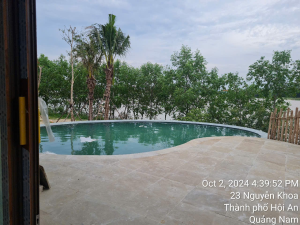
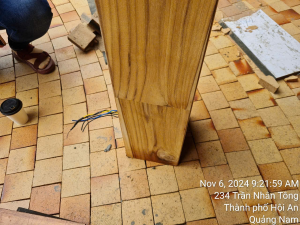
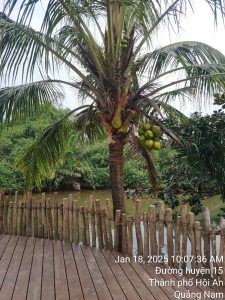
B/ Exterior flooring: carefully selected porous stone with abundant natural veining, rustic yet comfortable underfoot for the detached villas; and bamboo decking combined with terracotta tiles for public areas.
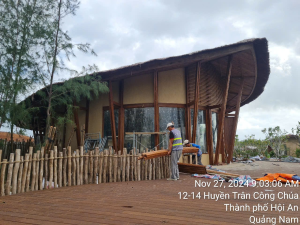
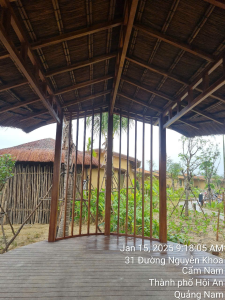
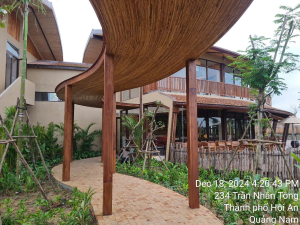
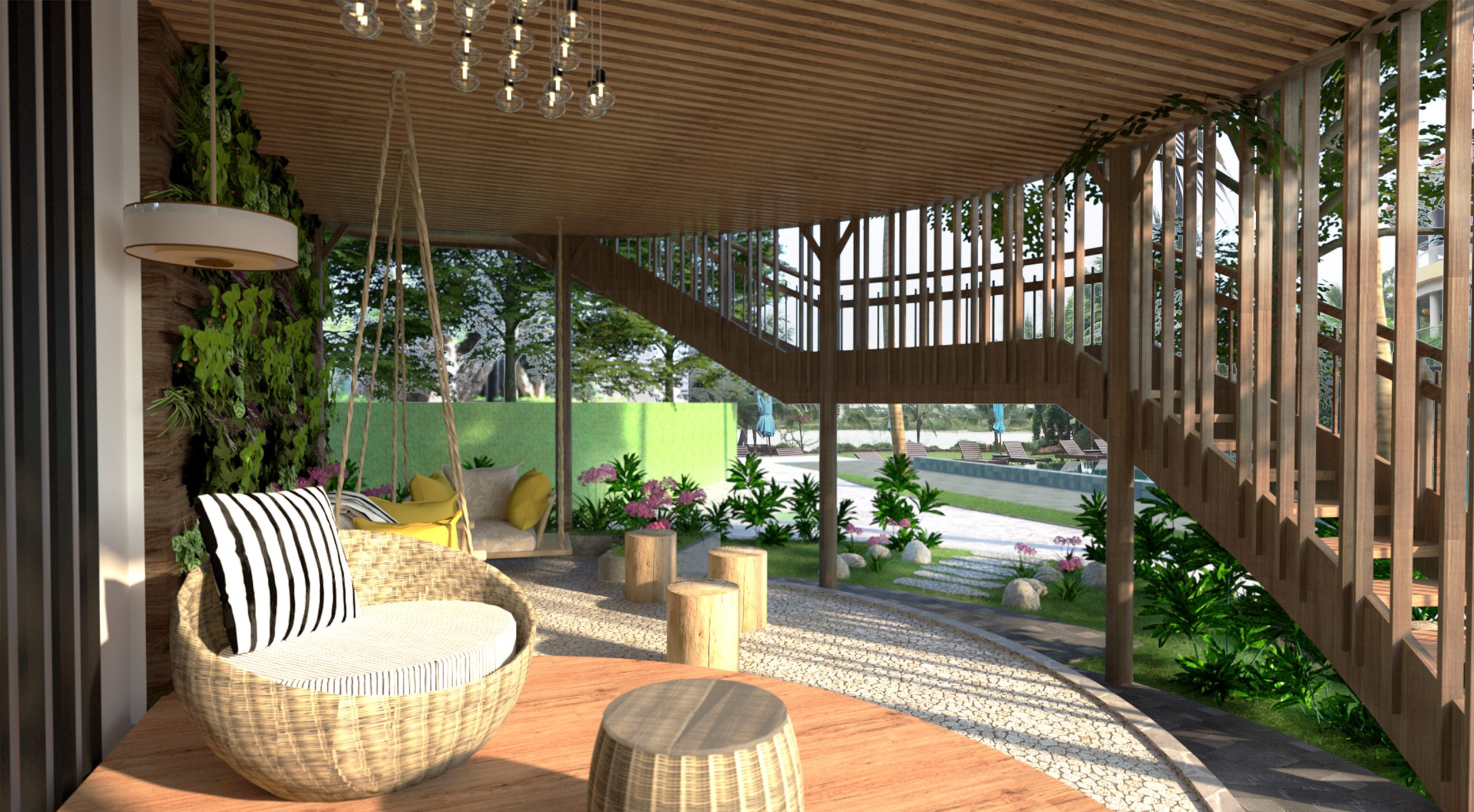
C/ Exterior ceilings: natural rattan, sourced from the mountains of Quảng Nam.
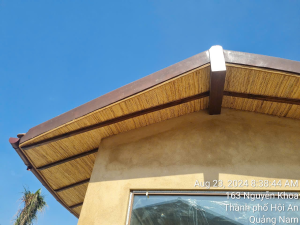
D/ Thatched roofing for public areas:
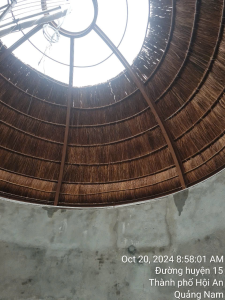
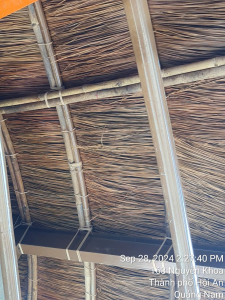
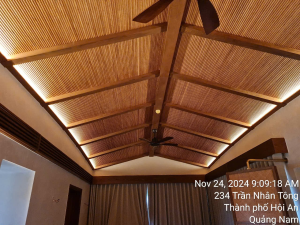
E/ Interiors: inside the villas is a harmonious blend of natural wood with woven bamboo panels for all ceiling/wall fit-out details and loose furniture.
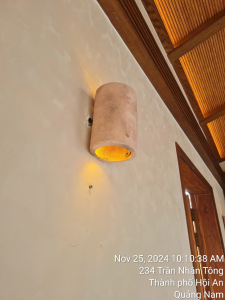
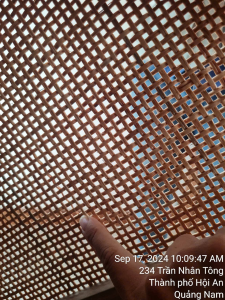
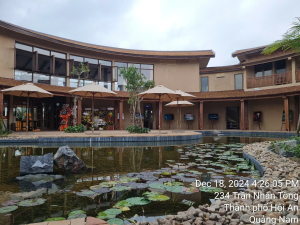
Meanwhile, the public areas feature rammed earth walls and terracotta tiles in diverse patterns that harmonize with the space while maintaining an air of elegance.
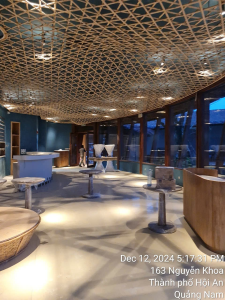
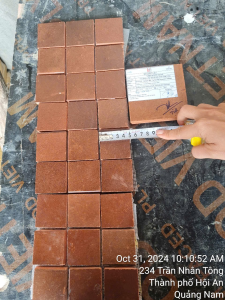
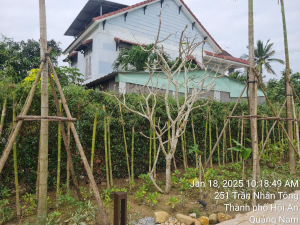
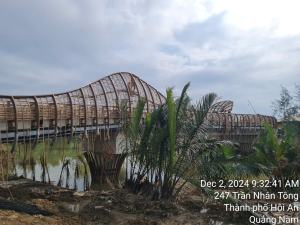
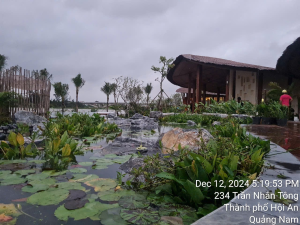
** LANDSCAPE AND GARDEN FINISHING MATERIALS: primarily green wall panels used in place of gates and fences; melaleuca timber piles are consistently used to separate villas instead of conventional brick walls or metal fencing typically seen in residential projects. Even the bridge railings have been skillfully crafted by rattan weavers.
Building Regulations – Reality & Implementation
Monday marks the start of the week. Still working, right? Had some free time so I edited this post. (1) The other day I came across this rather interesting saying: "buried beneath the dragon's
Design Fees and an Architect’s Career Journey – A Direct Correlation
A few thoughts while gathering quotes & documents for our client: What makes a design package successful? Will the built project match the architect's design? Will construction costs align
Villa Rental / Homestay / Boutique Apartment Design Solutions in Hoi An:
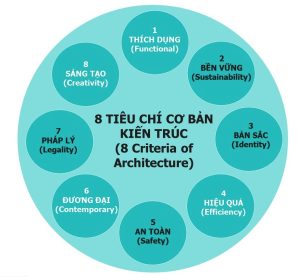
Design Solutions for Rental Villas/Homestays/Boutique Apartments in Hoi An: We identify 5 key features to ensure a successful project: functionality, durability, adaptability, economy, and
Architecture Design & Project Management Costs in Central Vietnam (Hoi An)
Architecture Design & Project Management fees in Vietnam (Hoi An) is a fascinating topic. Some practice websites present it softly, like this: Meanwhile, some fellow practitioners take a firm
Namia Resort Retreat – Sustainable Building Materials for Eco-Friendly Architecture in Hoi An
I made a promise to a colleague from the Project Management team at HG Investment that one day, when time allowed, I would write about Namia from a professional perspective—an objective view