


Key Factors Ensuring Accuracy Between Design and Execution
Three factors determine the accuracy between design and execution:
- The client’s trust in the design consultancy:
- Drawing approval
- Budget approval
- Staying committed, no changes throughout construction
- The contractor’s commitment
- Adhering strictly to the approved design, construction methods, and schedule.
- Reporting any unexpected changes to management for the best solutions for all parties.
- Rigorous supervision and management process, with phased inspections before, during, and after construction.
- Checking that input materials meet design specifications
- Mid-phase inspections to ensure correct construction methods yield correct results.
- Final-phase inspections, with waiting periods for testing before handover.
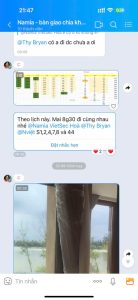
Depending on how these three factors score, we can determine whether the project meets its original criteria.
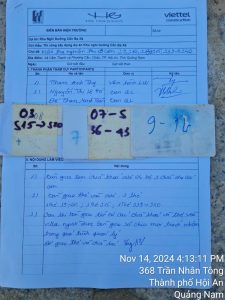
In a hypothetical scenario where factor 1 is completely met, but the contractor is appointed by the developer without independent supervision, expectations are typically met at 50%–80%, applying to all three criteria: schedule, aesthetics, and budget. Some contractors, seeking higher profit margins, will alter construction methods or substitute materials, and the developer ends up with results below expectations. This affects handover schedules, may push construction costs beyond the estimated budget, and can compromise the architectural and interior design vision that the developer invested time, money, and thought into developing with the design consultancy.
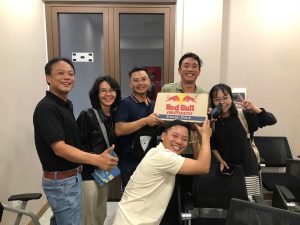
Regarding ToAM’s role in the Namia Retreat Resort project from August 1, 2024 to February 25, 2025—quality management for architectural finishing and interior fit-out, supporting the handover for operations. Our contract with HG Holdings did not include quantity verification, nor did we have the authority to access or intervene on pricing or project scheduling. Joining in the final months, we were clear that our role was to help reach the finish line—pricing discussions were beyond our scope at that stage.
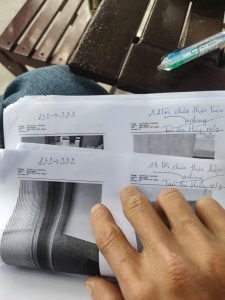
From August to October, everything went according to plan—50% of the 60 villas met requirements. We stuck to the basics: floor, wall, ceiling, and push forward. Floors were checked for hollow sounds, grout lines, and level variations (measured in centimeters) within tolerance. Walls were the trickiest—the most challenging part—with constant drizzling rain making exterior work impossible and interior work equally difficult. For ceilings, two interior contractors and a third exterior contractor used different methods, yielding different results, meaning two different maintenance approaches upon handover… Meanwhile, 10 public buildings—Reception 1, Reception 2, Merchant Restaurant, BoH, Pool-bar A, Pool-bar B, Kid Club, Gym & Yoga, Lumina Spa, Zen Terrace, the landscape pond and central swimming pool—were still mid-plastering, steel framing incomplete, cantilevered roofs not yet installed… Basically, under ToAM-Team’s scope of work (SoW), there was nothing yet to discuss.
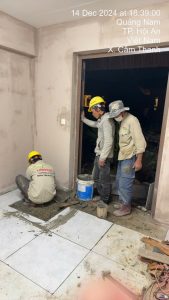
From November 2024 to February 2025, the real battle began. Once operations moved into the BoH area, everyone on the project—from workers to technicians, contractors to management—recognized the urgency of Namia’s situation. Facing this reality, beyond the SoW, we certainly could have remained indifferent… However, after three sleepless nights of soul-searching, debating whether to leave or stay, I thought about why we started: “NATIONAL PRIDE”—for a project of this caliber that could compete on the world stage, I had to adapt. The three criteria shifted in priority: 1. SCHEDULE – 2. COST – 3. AESTHETICS. Our three-person architecture and interior finishing team adapted accordingly, prioritizing MANAGEMENT—working more with people, interacting more, using more tactics. The ultimate goal was to cross the finish line on time. After all, this wasn’t just about HG’s or LW’s reputation anymore—this was Hội An’s promise to the world to open for bookings on January 15, 2025! At this point, it was all hands on deck.
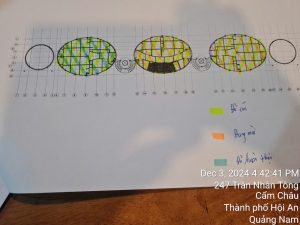
VILLAS – The most painful case was villa S1, with its 100% natural wood half-moon pattern ceiling. One day, water seeped from top to bottom due to prolonged rain. Removing it was exhausting—waterproofing, testing, waiting for it to dry, restoring the ceiling surface, reinstalling after built-in work, coordinating 10 contractors within one villa—handover to operations was delayed two weeks. I still vividly remember that afternoon: pouring rain, workers and contractors all exhausted. Operations refused acceptance simply because contractor equipment was still inside S1 and there was debris behind the pool. The entire four-person management team—Hà, Chung, Việt, Toàn—along with Mr. Sinh (VCC technician) and Ms. Nguyệt (VCC cleaning staff), rolled up our sleeves, cleaned up, and “pushed” (literally pushed) operations to accept S1 that very afternoon.

PUBLIC AREAS – The most nerve-wracking part was the reversed sequence: fit-out → walls → terrazzo flooring. The most frustrating thing was wanting everything yet not knowing what was truly wanted. Without understanding material properties, you must listen—if you prioritize one thing, you must deprioritize another immediately. But no! Instead, endless sample approvals, revisions back and forth, and then when rolling out over 1,600m² of public flooring—pressing, grouting, curing, grinding, sealing. Getting contractors to listen was one thing; getting decision-makers who controlled aesthetics from the start to listen was another matter entirely. Those months of meetings—banging tables, shouting, emails, heated arguments, pleading—every color of the spectrum. Then January 15, 2025 arrived. That morning, whoever was doing the opening ceremony did their ceremony, whoever was still addressing defects kept at it, whoever was cleaning kept cleaning. Me—the night before I was waiting for Tân An Phú to connect the red landscape lighting at the bridge and signage; at 5am I was already checking if everything was in place. One lap around—debris everywhere from one end of the island to the other, post-rain mud everywhere, loose items still wrapped in plastic. One hand on the phone calling the management team—Lâm, Khoa, Việt, ToAM-team, and contractor site managers; the other hand messaging the coordination group to keep company directors informed. I’ve never seen anything like it—engineers, architects, nobody cared about titles or which team was which—everyone pitched in to clean and set up for four straight hours. Thankfully, by 10am, we just made it to welcome the first guest. I tell you, in this entire career, there’s never been a moment without a deadline to chase. From school projects to small builds, to large buildings, to full-scale developments.
Conclusion: Project management today requires an “Agile leadership” mindset. When you WORK WITH ALL YOUR HEART, the universe responds.
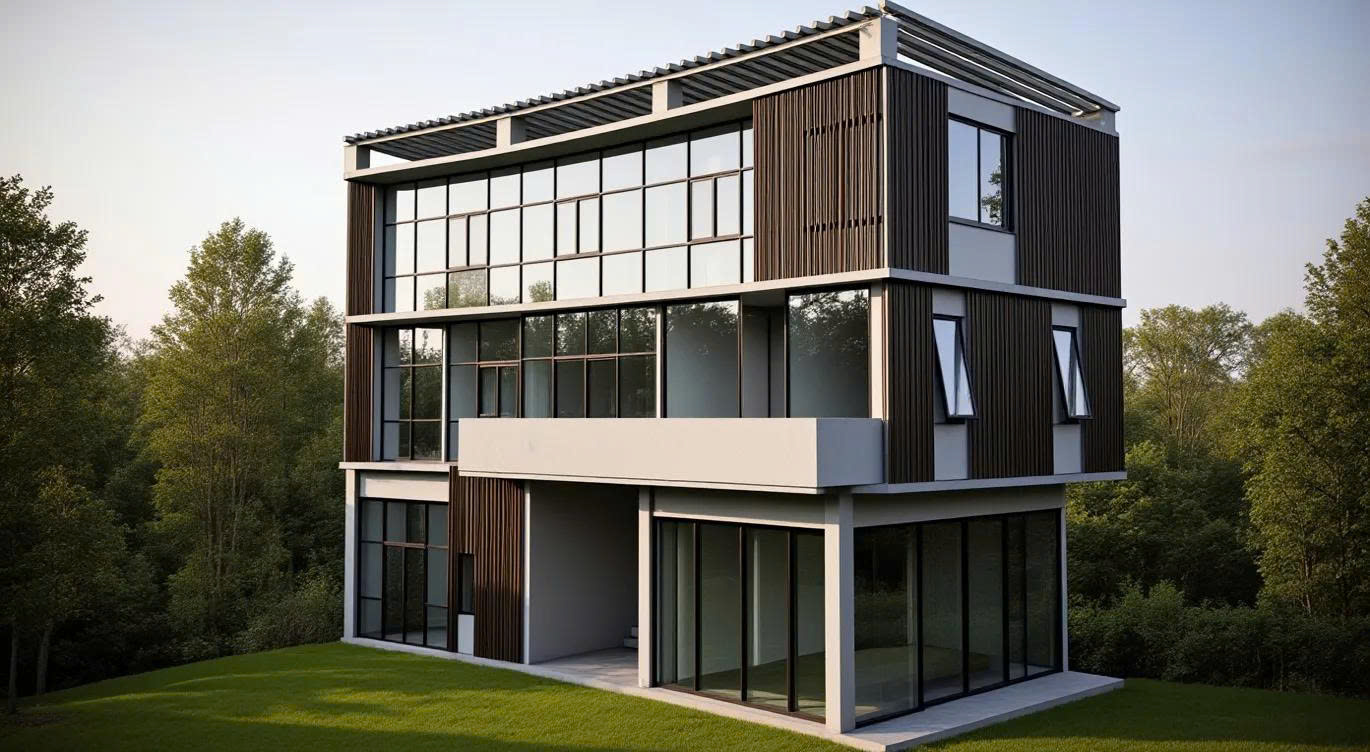
Building Regulations – Reality & Implementation
Monday marks the start of the week. Still working, right? Had some free time so I edited this post. (1) The other day I came across this rather interesting saying: "buried beneath the dragon's
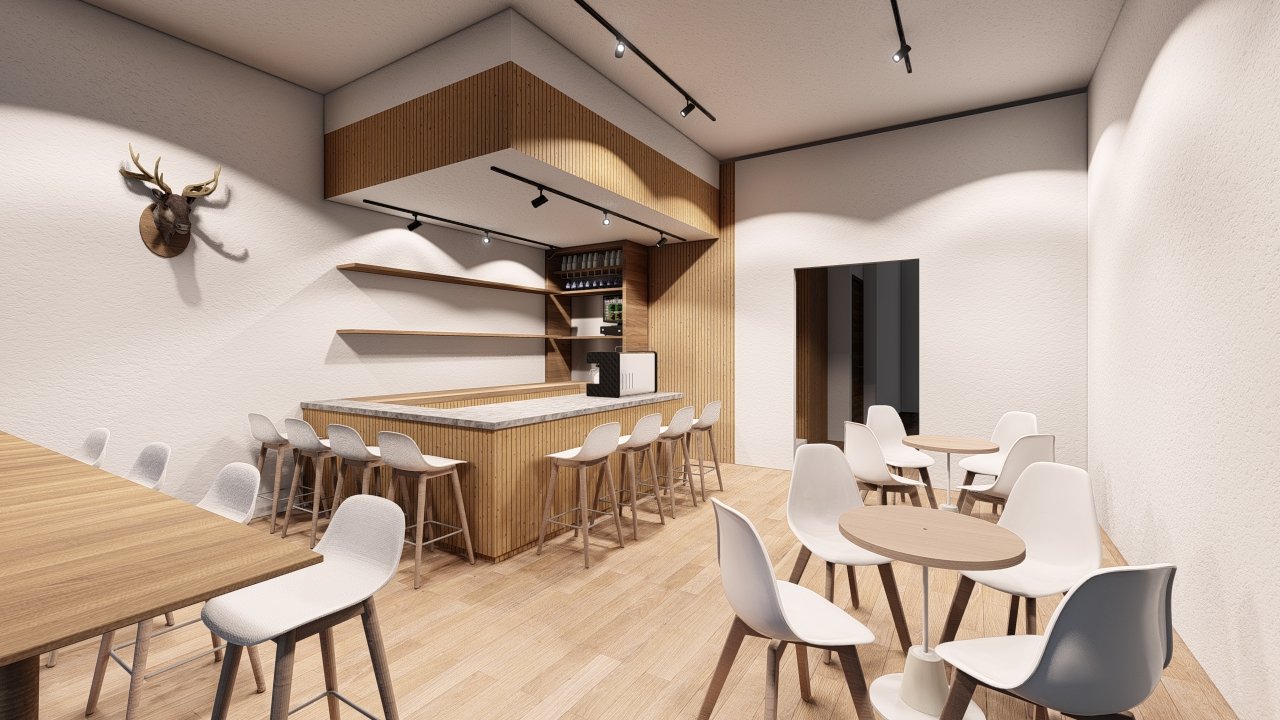
Design Fees and an Architect’s Career Journey – A Direct Correlation
A few thoughts while gathering quotes & documents for our client: What makes a design package successful? Will the built project match the architect's design? Will construction costs align
Villa Rental / Homestay / Boutique Apartment Design Solutions in Hoi An:
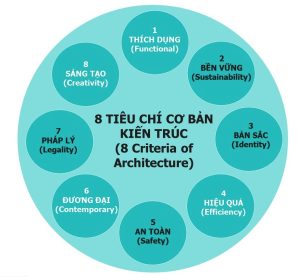
Design Solutions for Rental Villas/Homestays/Boutique Apartments in Hoi An: We identify 5 key features to ensure a successful project: functionality, durability, adaptability, economy, and
Architecture Design & Project Management Costs in Central Vietnam (Hoi An)
Architecture Design & Project Management fees in Vietnam (Hoi An) is a fascinating topic. Some practice websites present it softly, like this: Meanwhile, some fellow practitioners take a firm
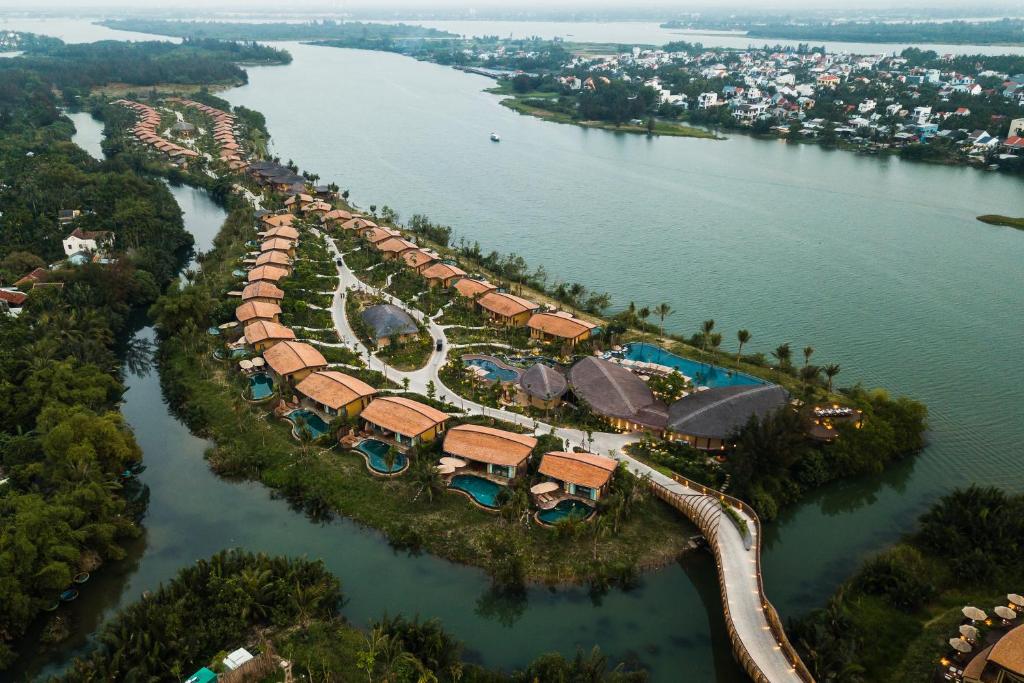
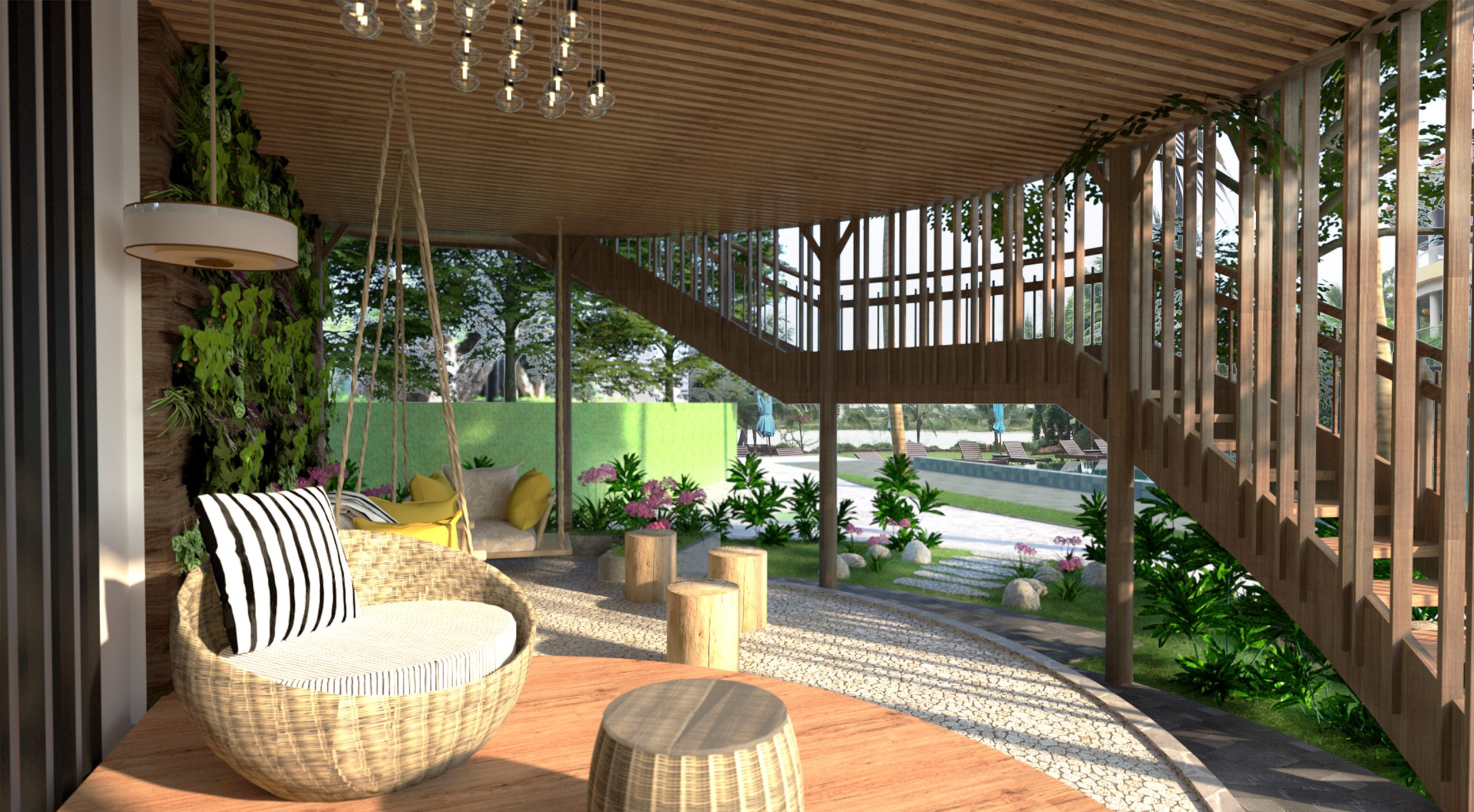
Namia Resort Retreat – Sustainable Building Materials for Eco-Friendly Architecture in Hoi An
I made a promise to a colleague from the Project Management team at HG Investment that one day, when time allowed, I would write about Namia from a professional perspective—an objective view