

How Instagram-Style Home Designs Often Fall Apart in Hoi An
Applying “Instagram-style” architectural and interior designs (prioritizing visual aesthetics for photography) in Hội An often leads to disappointment due to the clash between glamorous renderings and the harsh operational realities of this unique heritage town. Here are the main reasons why such designs struggle to survive in Hội An.
Clashing with the distinctive ancient town architecture
Traditional Hội An houses are typically tube houses—narrow facades but remarkably deep interiors, featuring inner courtyards and skylights for natural light and ventilation.
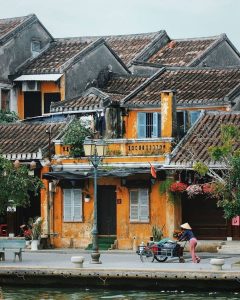
Instagram renders with their perfect lighting and colors typically require open spaces, studio lighting, or wide angles—conditions nearly impossible to achieve within a strictly protected heritage zone.
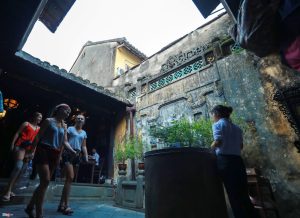
Monsoon humidity and flood risks
Cẩm Kim and the communes along the Thu Bồn River are typically low-lying areas, directly affected by annual flooding.

Instagram designs often feature hardwood floors, plush rugs, light-colored fabrics, or “trendy” but fragile materials, along with low-profile furniture—all extremely vulnerable to floodwater. These materials quickly deteriorate and develop mold. The hassle of cleaning and relocating bulky items each flood season transforms initial elegance into a burden, leaving you disillusioned after just a short time.
Salt intrusion and coastal winds
Coastal areas and river mouth regions in Quảng Nam face heavy exposure to salt-laden air. Decorative metal details (gold-plated, brass) or electronics in open “chill” spaces rust and deteriorate rapidly without expensive specialized treatment.
Rural insect ecosystems
Peri-urban areas with abundant trees and farmland naturally harbor high densities of insects—mosquitoes, termites, and flying ants. Minimalist Instagram designs with numerous crevices, warm ambient lighting, and fully open spaces inadvertently “attract” these insects, making the real experience far less romantic than the photos suggest.

Mismatched with local identity and landscape
Hội An possesses the beauty of “time’s patina”—moss-covered yellow walls and yin-yang tile roofs. Overly “minimalist” or “industrial” designs often feel out of place, losing the essential soul of the ancient town and countryside that visitors truly seek. This not only disrupts the overall aesthetic but can also create distance from the local community amid the growing trend of sustainable community-based tourism.
Lack of professional maintenance infrastructure
In communes far from the town center, finding maintenance teams for materials like translucent stone panels, complex smart lighting systems, or indoor tropical plants is challenging. When things break down, homeowners often face long waits or must accept makeshift repairs that compromise the original aesthetic.
Born and raised in Quảng Nam and drawing on a decade of architectural experience in Hội An, ToAM has witnessed many such disappointments firsthand. We understand why clients from afar seek out a “deeply local” architectural consultancy like ToAM to bring their dream home to life in this beautiful region.
Building Regulations – Reality & Implementation
Monday marks the start of the week. Still working, right? Had some free time so I edited this post. (1) The other day I came across this rather interesting saying: "buried beneath the dragon's
Design Fees and an Architect’s Career Journey – A Direct Correlation
A few thoughts while gathering quotes & documents for our client: What makes a design package successful? Will the built project match the architect's design? Will construction costs align
Villa Rental / Homestay / Boutique Apartment Design Solutions in Hoi An:
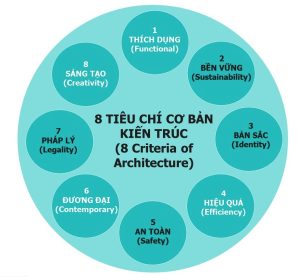
Design Solutions for Rental Villas/Homestays/Boutique Apartments in Hoi An: We identify 5 key features to ensure a successful project: functionality, durability, adaptability, economy, and
Architecture Design & Project Management Costs in Central Vietnam (Hoi An)
Architecture Design & Project Management fees in Vietnam (Hoi An) is a fascinating topic. Some practice websites present it softly, like this: Meanwhile, some fellow practitioners take a firm
Namia Resort Retreat – Sustainable Building Materials for Eco-Friendly Architecture in Hoi An
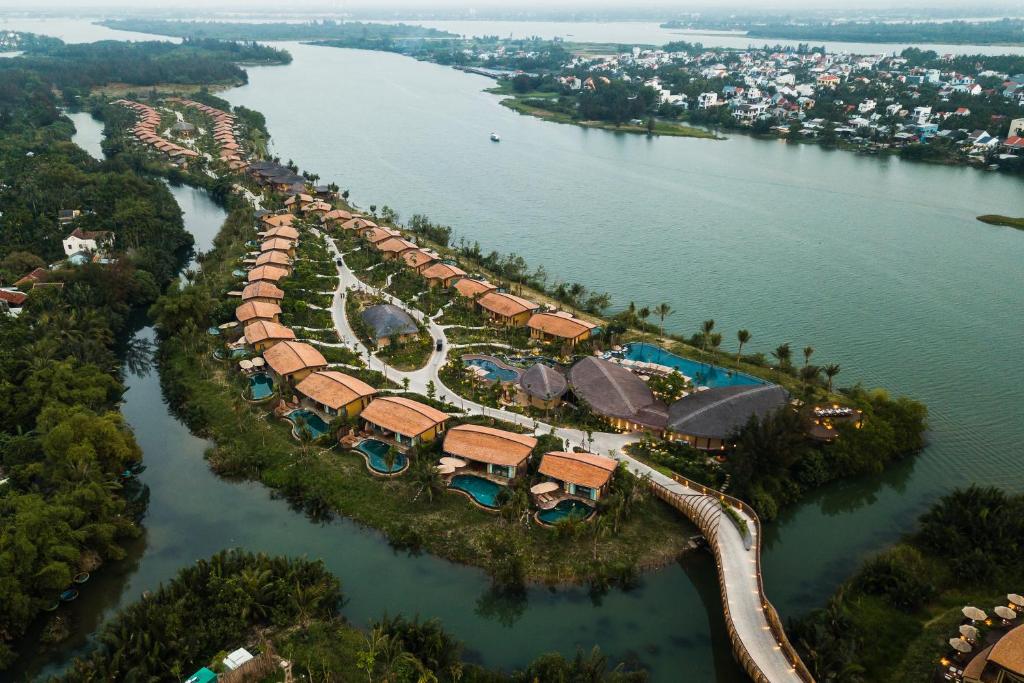
I made a promise to a colleague from the Project Management team at HG Investment that one day, when time allowed, I would write about Namia from a professional perspective—an objective view