

Cafe Design Trends 2025 – Zen Library Case Study
The definition of a café today is no longer simply a place that sells coffee. Customers expect more than a morning cup. It could be a place for business meetings, a playground for multi-generational families, or a venue for regular events. Zen Library is one such case.
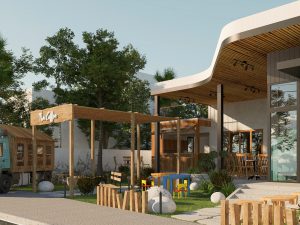
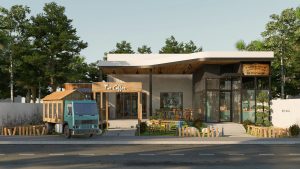
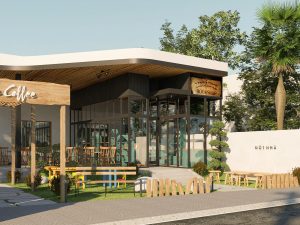
Phase 1: Receiving design requirements and consulting on feasibility. Normally, I skip this step because once a client approaches us for architectural and interior design consultation, they’ve already researched the market and project viability. However, Zen Library was a special case. The investor is a long-time friend with an artistic temperament, also the piano teacher for my family’s children. Initially, she wanted to open a vegetarian restaurant—perhaps thinking it was a natural fit since I’d done well with Colorme Chay, so she sought me out to create a vegetarian restaurant in Hội An. Receiving and analyzing information to lay the groundwork for a design consultation contract is far more than just a few quick sketches. After being peppered with questions about service delivery, target customers, who to sell to, existing industry connections, and the most crucial probing question: “Is this something you’re skilled at, or something you truly want to do?”—two weeks later, the investor called back wanting to pivot to a book café. Putting myself in the shoes of the founder as a music teacher and the co-founder as a book enthusiast who had previously sold children’s books of various genres, understanding both their mindsets, I knew this pivot was the right decision.
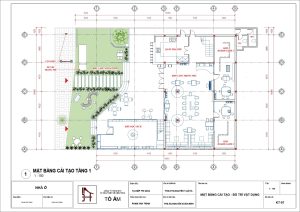
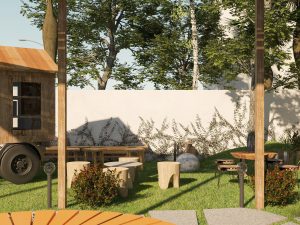
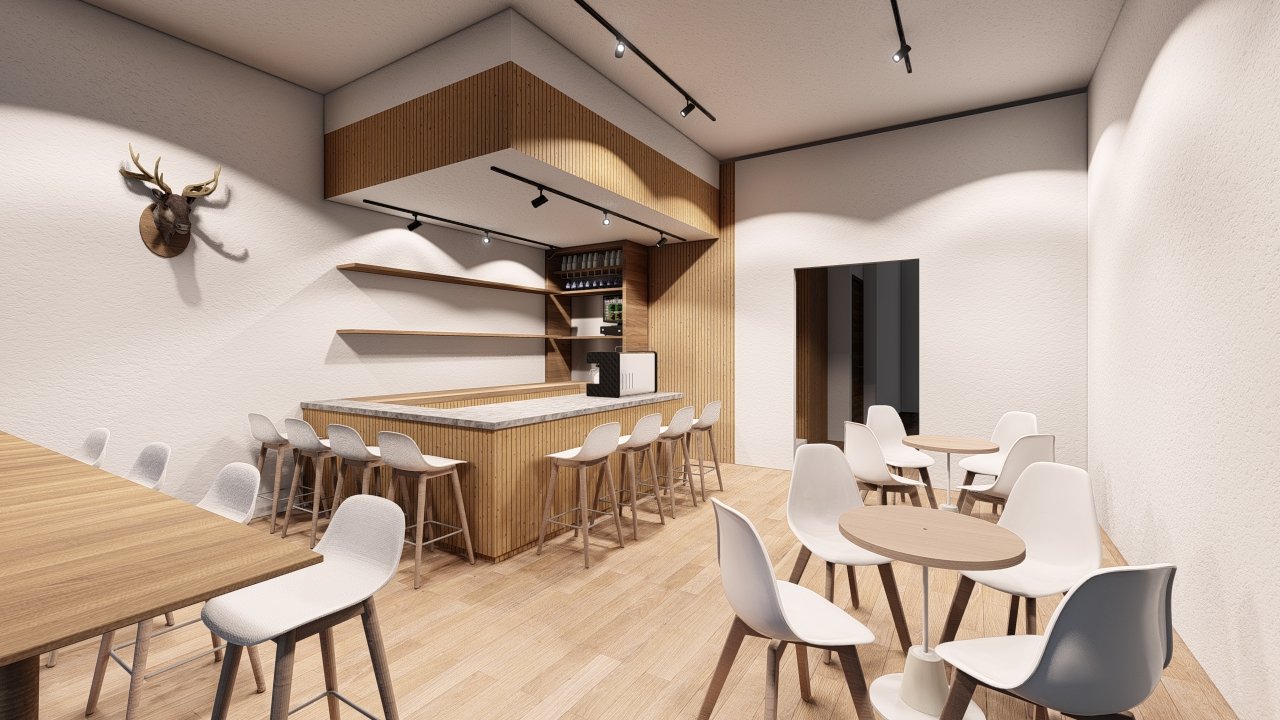
Phase 2: Initial concept. Developing ideas for a familiar yet fresh concept in Hội An. A book café is a challenging model to operate after handover. Typically, book lovers organize a modest, cozy space with a curated selection of titles that suits both readers’ temperaments and investment costs. Otherwise, the café becomes an add-on service to a large bookstore. With a two-story premises of over 200m² per floor and approximately 1,000 book titles, there would be considerable excess space. Adding children’s books, toys, and a board-game area for kids was the co-founder’s wish. Organizing a beverage preparation area, bar counter, and indoor-outdoor seating for guests of all ages to read filled the 500m² ground floor premises nicely, both indoors and outdoors.
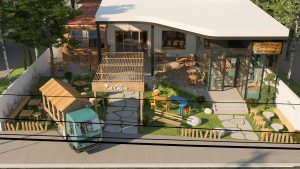
Phase 3: Execution. The post-design consultation story is well known—if supervision and project management are included, the investor naturally receives “on schedule, true to design, and within budget.” However, this project did not include supervision and project management services, nor were we permitted to intervene during construction, so inevitably, there were regrettable aspects. For someone without professional expertise, achieving that level of execution is commendable.
Phase 4: Additions beyond the original design. Regarding the second floor, initially nothing was planned due to insufficient funding. However, at the last minute, the founder wanted to create a performance stage for music, dance, and theatrical events by Hội An’s artistic community. So she developed the plan and executed it herself, possibly with consultation from another party. This is quite common among non-professional investors, and how satisfied they ultimately are is something only they can honestly admit to themselves.
Building Regulations – Reality & Implementation
Monday marks the start of the week. Still working, right? Had some free time so I edited this post. (1) The other day I came across this rather interesting saying: "buried beneath the dragon's
Design Fees and an Architect’s Career Journey – A Direct Correlation
A few thoughts while gathering quotes & documents for our client: What makes a design package successful? Will the built project match the architect's design? Will construction costs align
Villa Rental / Homestay / Boutique Apartment Design Solutions in Hoi An:
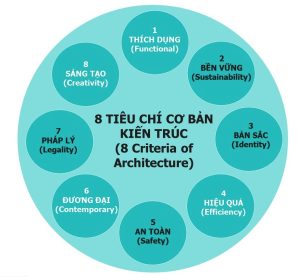
Design Solutions for Rental Villas/Homestays/Boutique Apartments in Hoi An: We identify 5 key features to ensure a successful project: functionality, durability, adaptability, economy, and
Architecture Design & Project Management Costs in Central Vietnam (Hoi An)
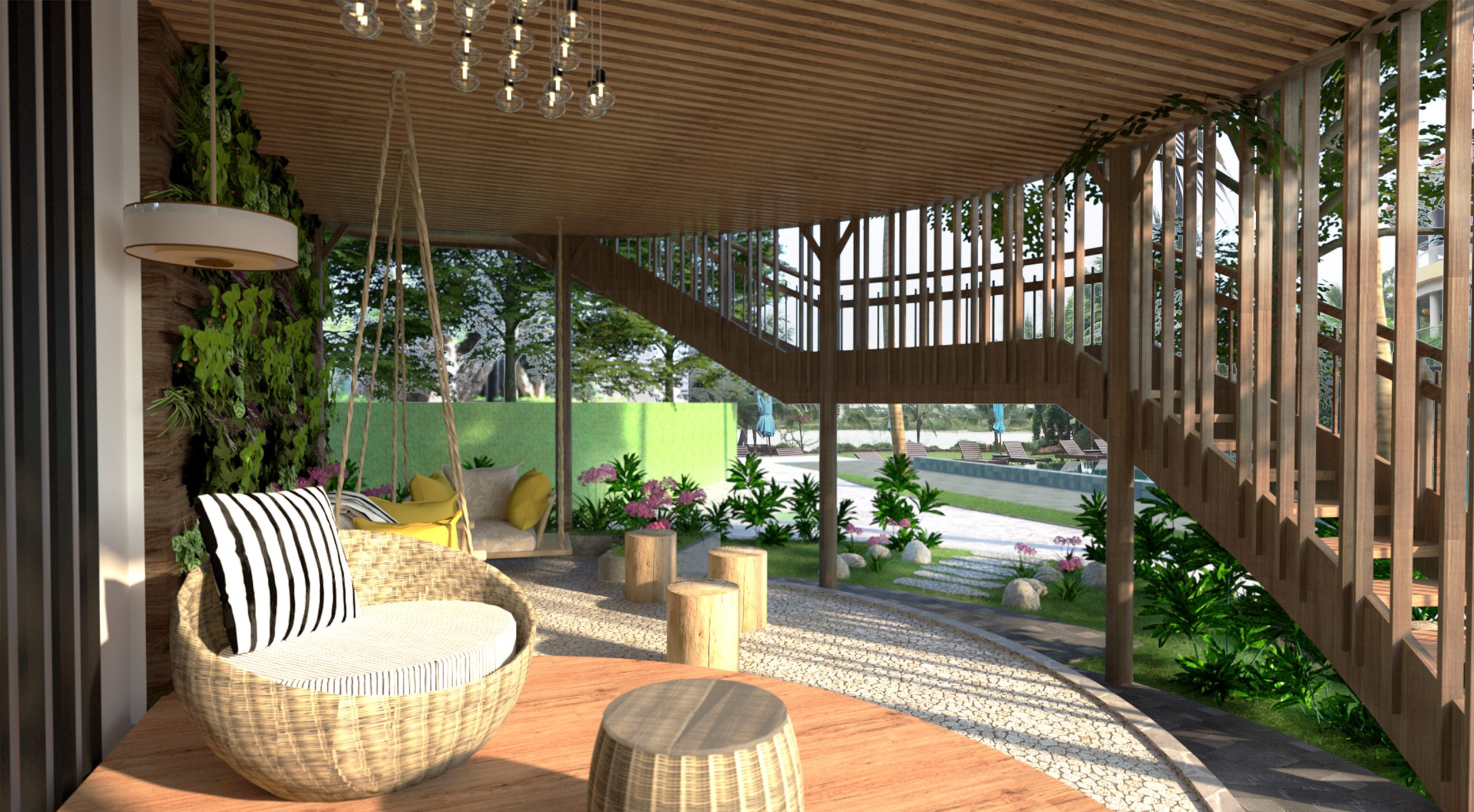
Architecture Design & Project Management fees in Vietnam (Hoi An) is a fascinating topic. Some practice websites present it softly, like this: Meanwhile, some fellow practitioners take a firm
Namia Resort Retreat – Sustainable Building Materials for Eco-Friendly Architecture in Hoi An
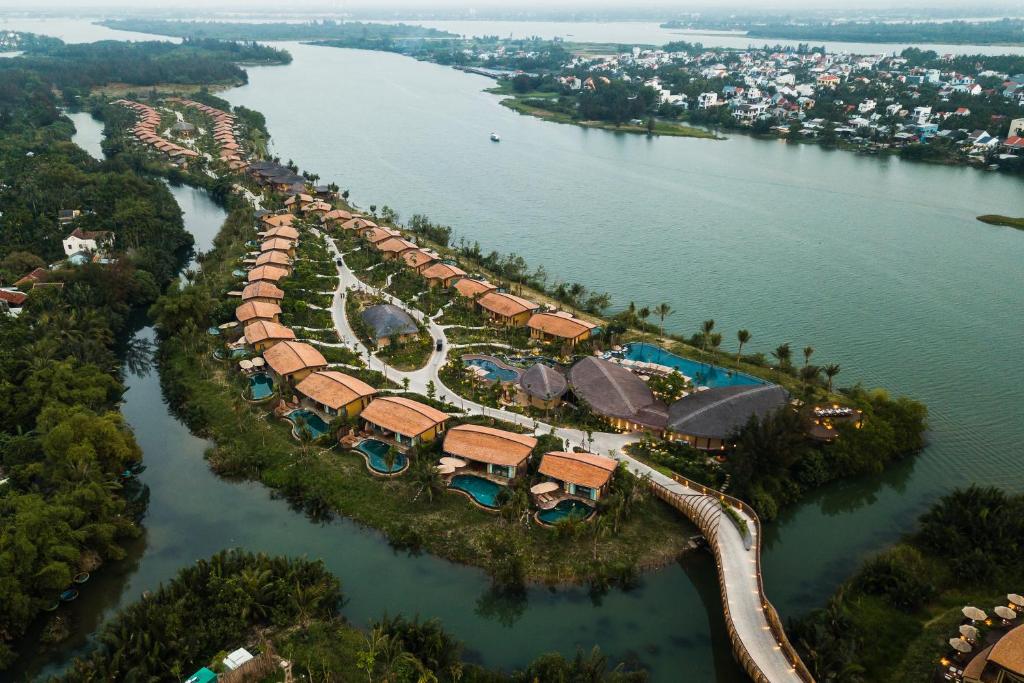
I made a promise to a colleague from the Project Management team at HG Investment that one day, when time allowed, I would write about Namia from a professional perspective—an objective view