


Building SERVICE APARTMENTS That Attract Expat Tenants in Hoi An
Open, intelligent floor plans
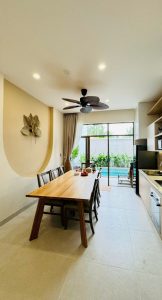
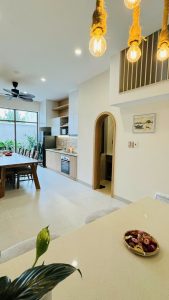
Natural ventilation & lighting
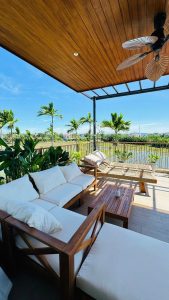
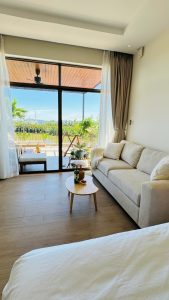
Dimensions & spatial proportions
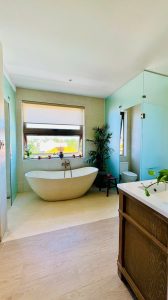
Bathroom design
Soundproofing & privacy
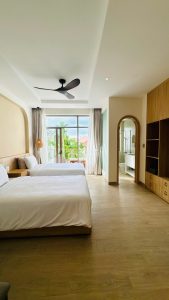
Technical infrastructure & furnishings
- Power outlets logically placed (bedside, desk, kitchen)
- Layered lighting (ambient + task) that can be adjusted for different times and purposes
- Excellent drainage and odor prevention
- Air conditioning that doesn’t blow directly onto the bed
- Dedicated laundry/drying area with concealed mechanical systems
- Floor-to-ceiling built-in cabinetry with cohesive design, minimizing scattered freestanding furniture => all to create a clean, airy feel and avoid visual clutter from too many objects.
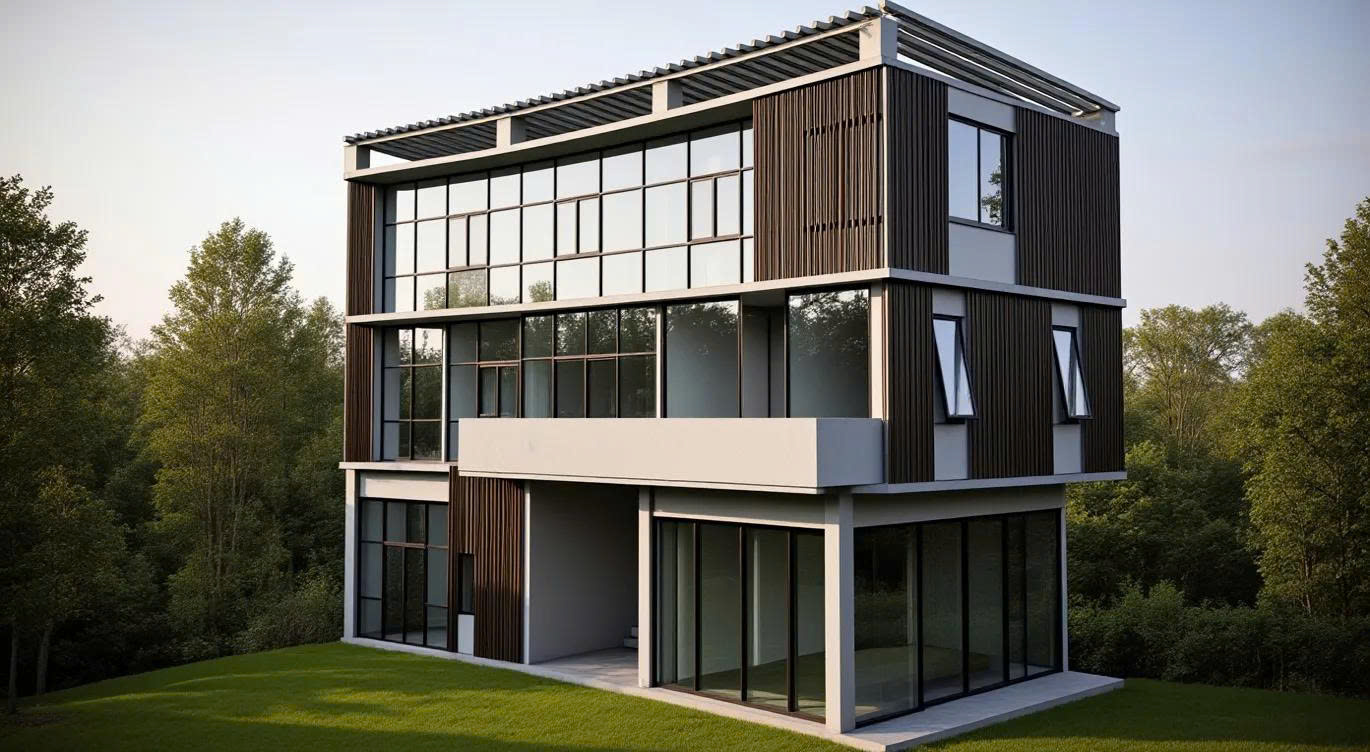
Building Regulations – Reality & Implementation
Monday marks the start of the week. Still working, right? Had some free time so I edited this post. (1) The other day I came across this rather interesting saying: "buried beneath the dragon's
Design Fees and an Architect’s Career Journey – A Direct Correlation
A few thoughts while gathering quotes & documents for our client: What makes a design package successful? Will the built project match the architect's design? Will construction costs align
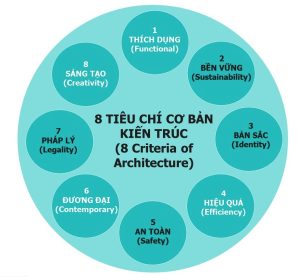
Villa Rental / Homestay / Boutique Apartment Design Solutions in Hoi An:
Design Solutions for Rental Villas/Homestays/Boutique Apartments in Hoi An: We identify 5 key features to ensure a successful project: functionality, durability, adaptability, economy, and
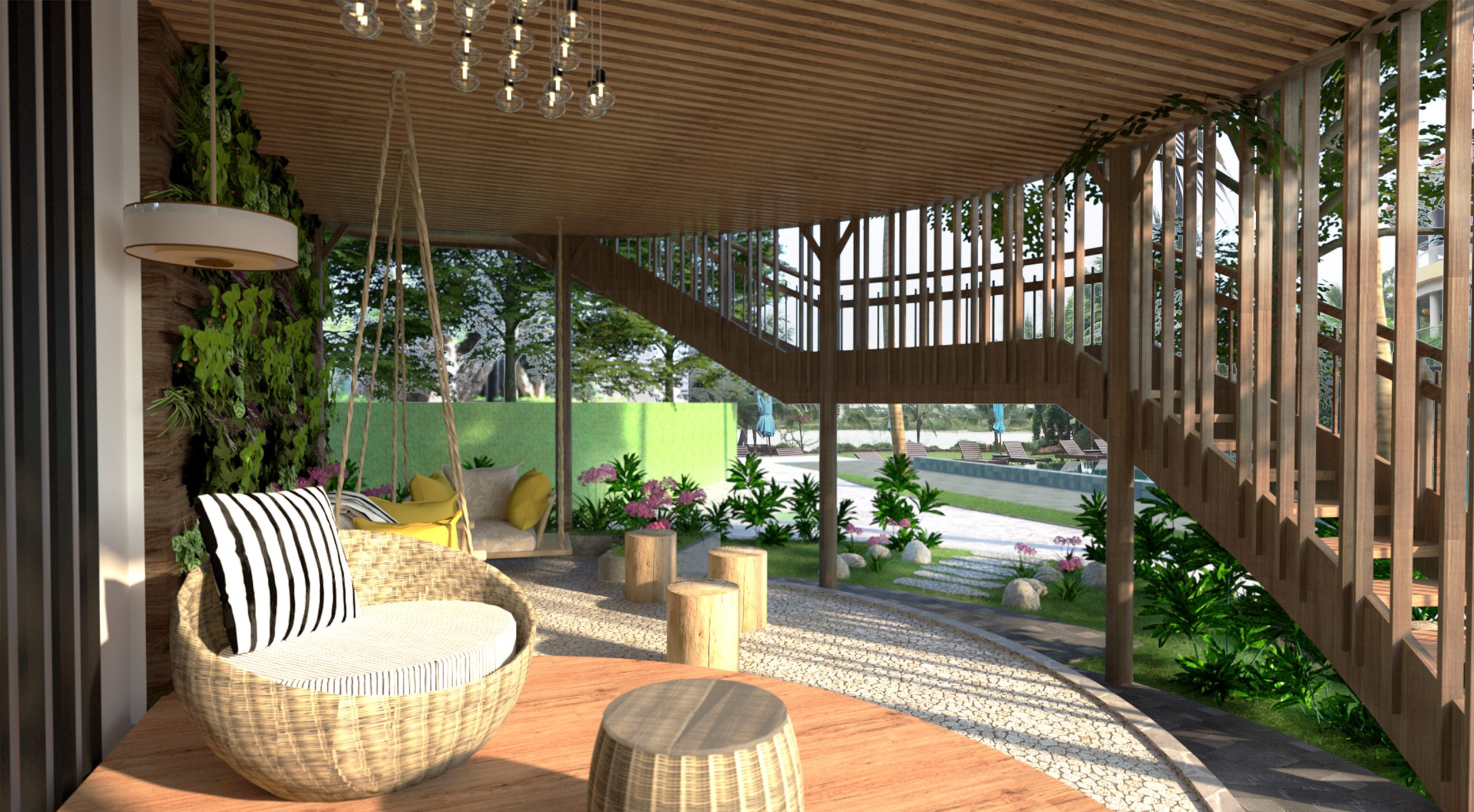
Architecture Design & Project Management Costs in Central Vietnam (Hoi An)
Architecture Design & Project Management fees in Vietnam (Hoi An) is a fascinating topic. Some practice websites present it softly, like this: Meanwhile, some fellow practitioners take a firm
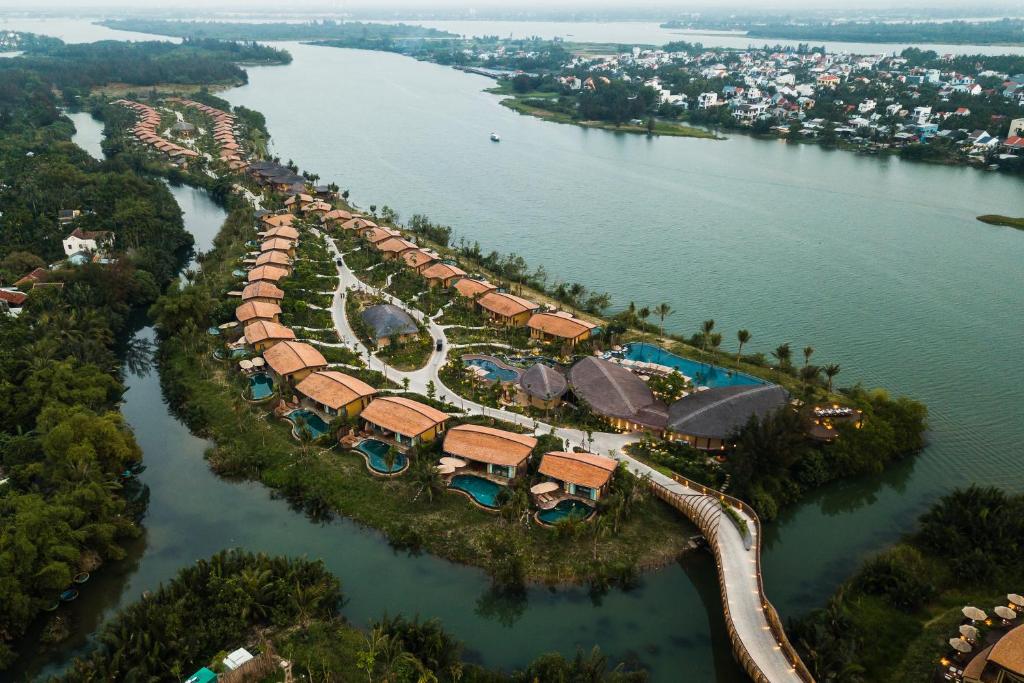
Namia Resort Retreat – Sustainable Building Materials for Eco-Friendly Architecture in Hoi An
I made a promise to a colleague from the Project Management team at HG Investment that one day, when time allowed, I would write about Namia from a professional perspective—an objective view