

“BESPOKE INTERIOR DESIGN” — BASED ON WHAT?
Key Characteristics of Bespoke Furniture
Bespoke furniture (or custom/made-to-measure furniture) refers to products designed and manufactured based on actual dimensions, style preferences, and unique needs of each homeowner, rather than mass-produced.
- Unique design: One-of-a-kind, entirely based on the homeowner’s functional requirements and aesthetic preferences.
- Precise dimensions: Measured directly on-site, installed for a perfect fit, eliminating dead corners.
- Material selection: Homeowners choose their own materials (wood, metal, plastic,…), colors, and hardware according to their preferences.
- Optimized functionality: Smart layouts tailored to the family’s actual living habits.
- Bespoke furniture is becoming a premium trend, delivering superior aesthetic value, durability, and maximum convenience compared to ready-made items.
Why Does the Architecture Consultant Determine Bespoke Furniture Success?
 Holistic spatial thinking: Architects understand the relationship between structure, lighting, materials, and interior layout within the actual floor area, creating seamless and optimized living spaces. Integration of function and structure: Unlike pure interior design, architects can handle technical aspects (electrical, plumbing, structural systems) to ensure interior solutions are both beautiful and feasible. Personalization and real-world adaptability: Architects design spaces based on usage needs, habits, and less predictable objective factors such as climate context and regional living rhythms…
A Real Example from ToAM
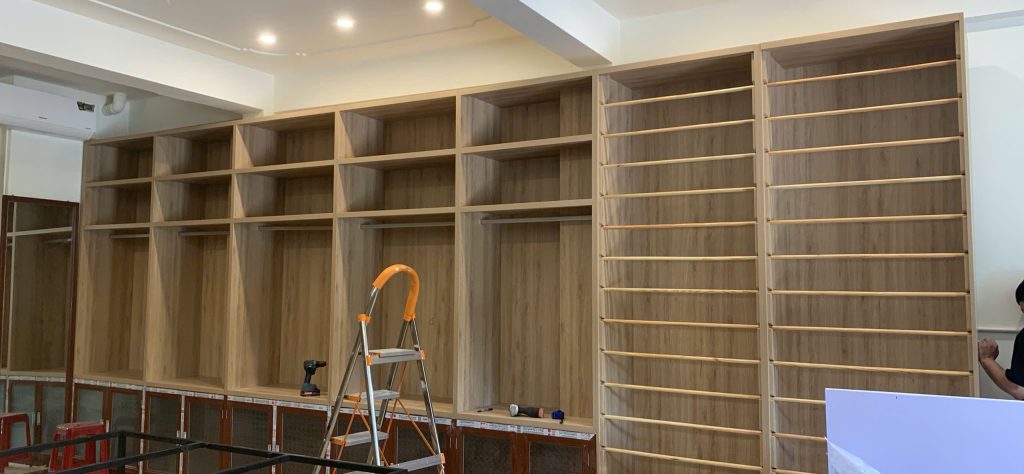
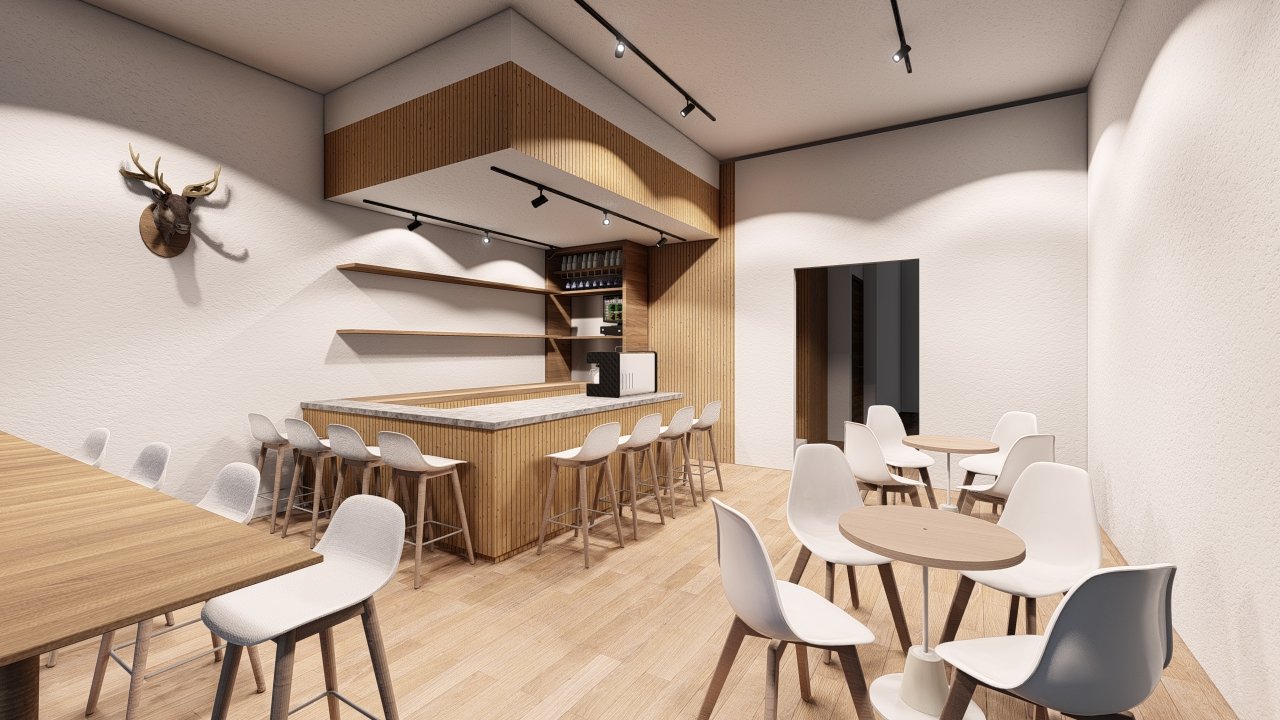
 A modular cabinet system with easily detachable units, featuring engineered wood panels on top “tailored” to actual dimensions, and aluminum-glass compartments below for flood protection. A large cutting table serves as the space’s focal point, designed with dimensions and storage compartments based on ergonomic requirements and user needs. A special feature: the table is divided into two sections for easy relocation during floods and flexible use when changing locations or setting up different spaces; yet when assembled, it remains perfectly smooth thanks to an extremely precise manufacturing process.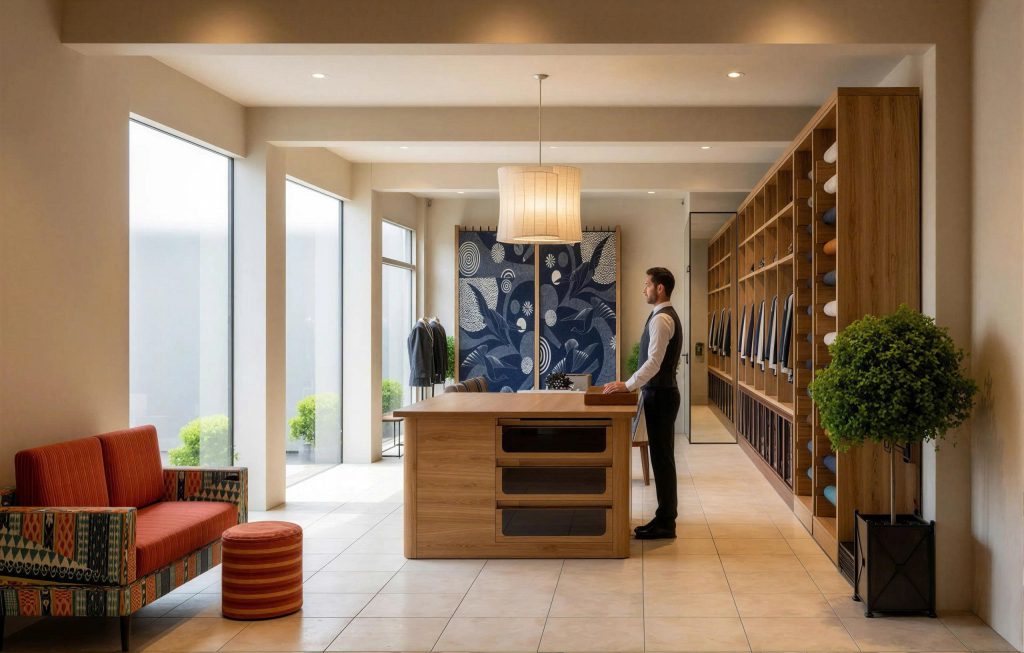
Building Regulations – Reality & Implementation
Monday marks the start of the week. Still working, right? Had some free time so I edited this post. (1) The other day I came across this rather interesting saying: "buried beneath the dragon's
Design Fees and an Architect’s Career Journey – A Direct Correlation
A few thoughts while gathering quotes & documents for our client: What makes a design package successful? Will the built project match the architect's design? Will construction costs align
Villa Rental / Homestay / Boutique Apartment Design Solutions in Hoi An:
Design Solutions for Rental Villas/Homestays/Boutique Apartments in Hoi An: We identify 5 key features to ensure a successful project: functionality, durability, adaptability, economy, and
Architecture Design & Project Management Costs in Central Vietnam (Hoi An)
Architecture Design & Project Management fees in Vietnam (Hoi An) is a fascinating topic. Some practice websites present it softly, like this: Meanwhile, some fellow practitioners take a firm

Namia Resort Retreat – Sustainable Building Materials for Eco-Friendly Architecture in Hoi An
I made a promise to a colleague from the Project Management team at HG Investment that one day, when time allowed, I would write about Namia from a professional perspective—an objective view