


Rice Field Villa – Truths Only Revealed When Breaking Ground
The vibrant revival of Hội An tourism has seen a strong shift from the town center toward the riverside and coastal countryside. Hospitality investors are eagerly seeking land with rice field and river views to catch this new wave.
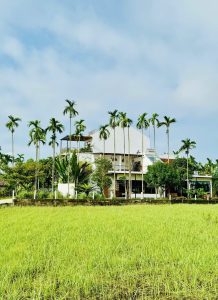
With years of experience in architectural design consulting for hospitality projects, ToAM took on Lúa de Rosy—an accommodation project on rice field-adjacent land that presented typical challenges:
– Soft soil conditions, with waterlogged ground discovered during foundation excavation
– Narrow concrete access road with shared drainage running through; local residents refused passage for bored pile driving equipment.
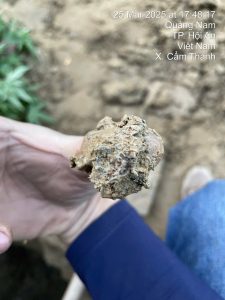
This is where traditional knowledge and locally-sourced materials truly demonstrate their strength. ToAM and the investor agreed on a solution: bamboo piles throughout the foundation area to reinforce and increase soil density, reduce void ratio, and ultimately improve the bearing capacity of the ground.
Using bamboo piles also follows time-tested technical standards:
- Bamboo piles must be straight, fresh, and not excessively warped.
- The bamboo should be at least 2 years old.
- Length of 2-3m, with a minimum diameter of 6cm.
- The lower end must be sharpened to a point, 20cm from the node, to form the pile tip.
- The upper end should be 5cm from a node and cut perpendicular to the pile axis.
- When driven into a clay and water environment, bamboo gradually hardens over time, eventually reaching hardness comparable to stainless steel.
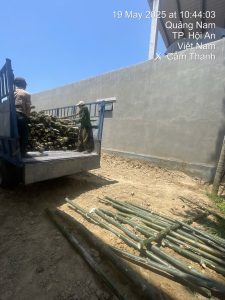
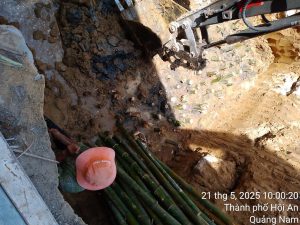
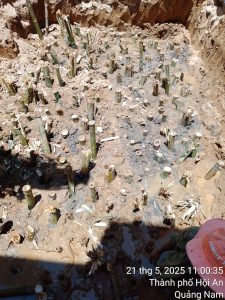
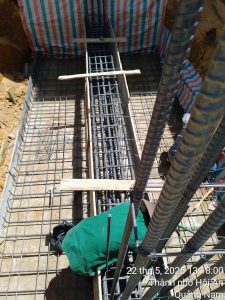
The concrete foundation was then constructed to standard specifications above, ensuring structural stability for the building.
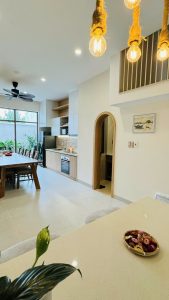
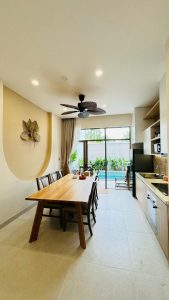
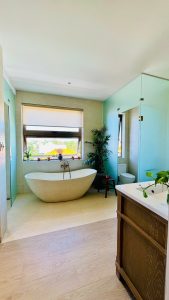
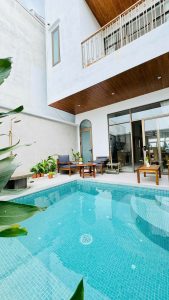
Lúa de Rosy was completed as a 3.5-story building on a 75m² footprint, meeting international tourist accommodation standards—a testament to the thoroughness and adaptability of the ToAM team throughout the construction process.
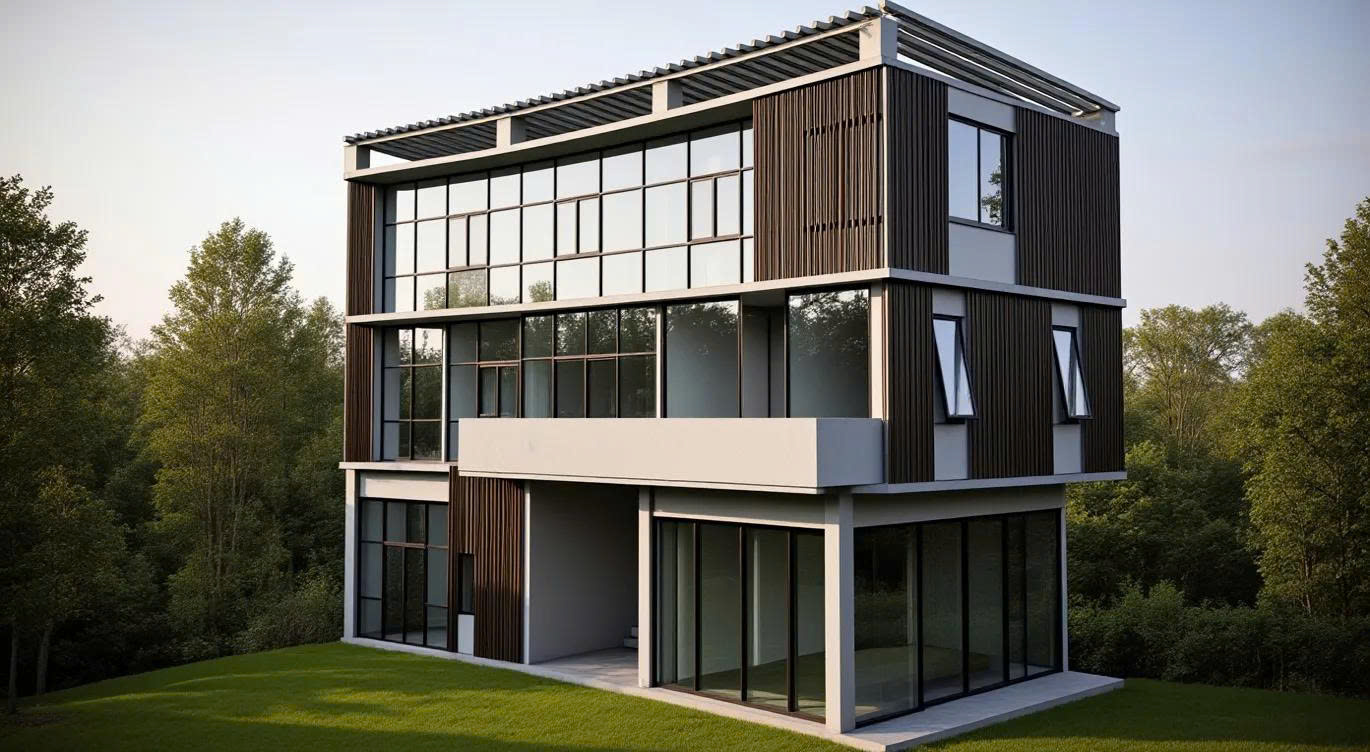
Building Regulations – Reality & Implementation
Monday marks the start of the week. Still working, right? Had some free time so I edited this post. (1) The other day I came across this rather interesting saying: "buried beneath the dragon's
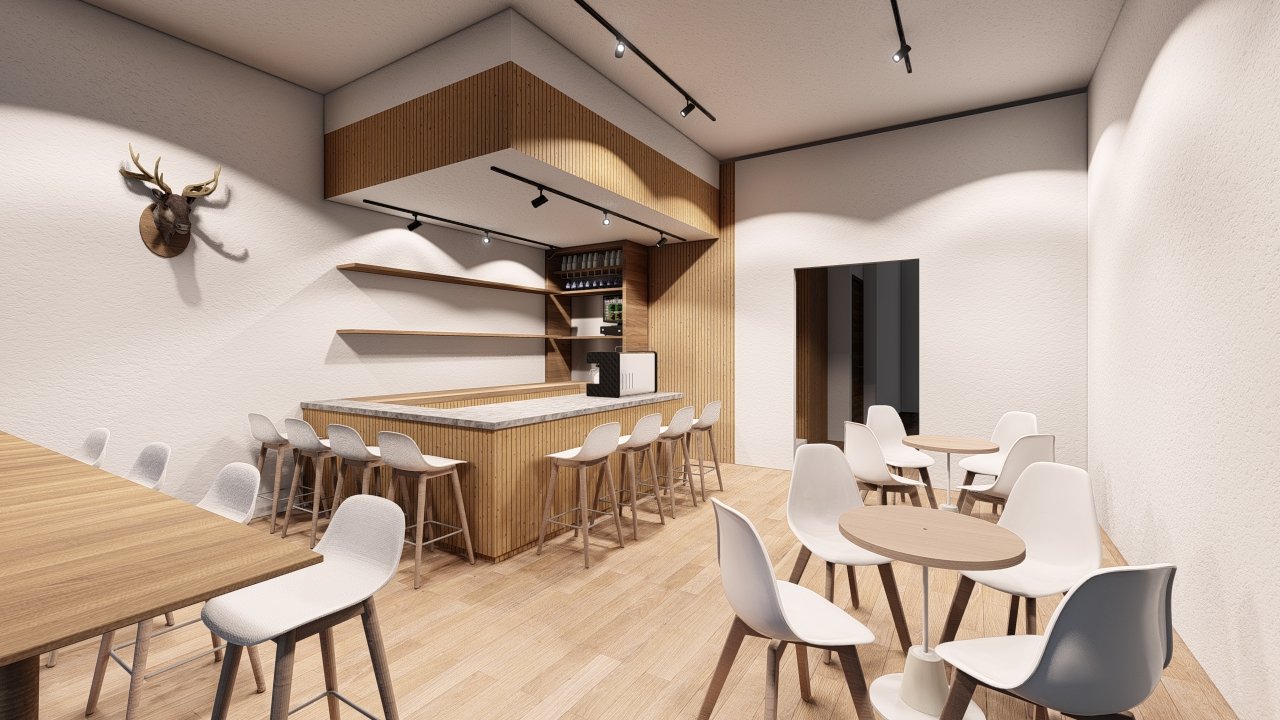
Design Fees and an Architect’s Career Journey – A Direct Correlation
A few thoughts while gathering quotes & documents for our client: What makes a design package successful? Will the built project match the architect's design? Will construction costs align
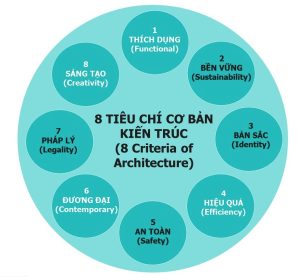
Villa Rental / Homestay / Boutique Apartment Design Solutions in Hoi An:
Design Solutions for Rental Villas/Homestays/Boutique Apartments in Hoi An: We identify 5 key features to ensure a successful project: functionality, durability, adaptability, economy, and
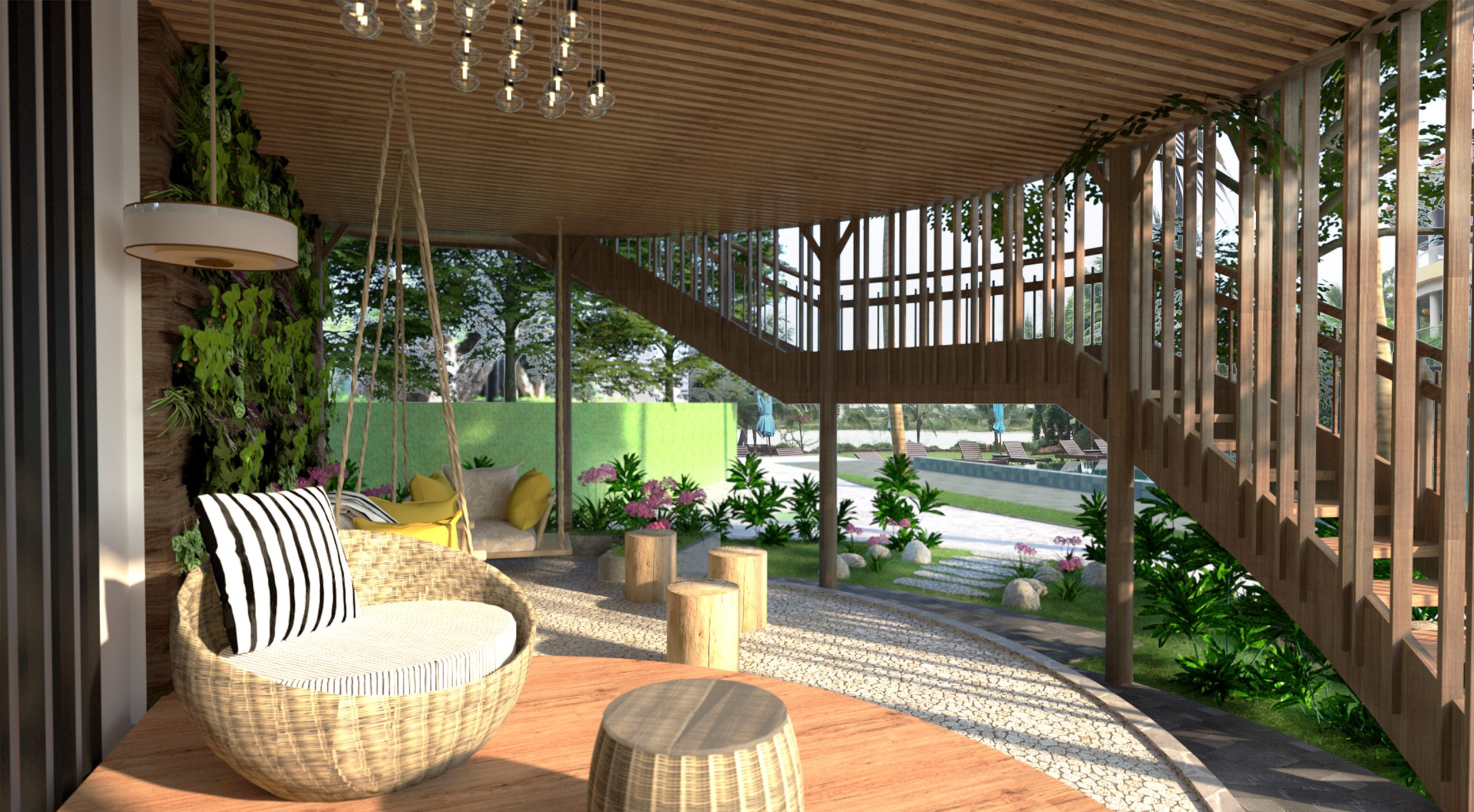
Architecture Design & Project Management Costs in Central Vietnam (Hoi An)
Architecture Design & Project Management fees in Vietnam (Hoi An) is a fascinating topic. Some practice websites present it softly, like this: Meanwhile, some fellow practitioners take a firm
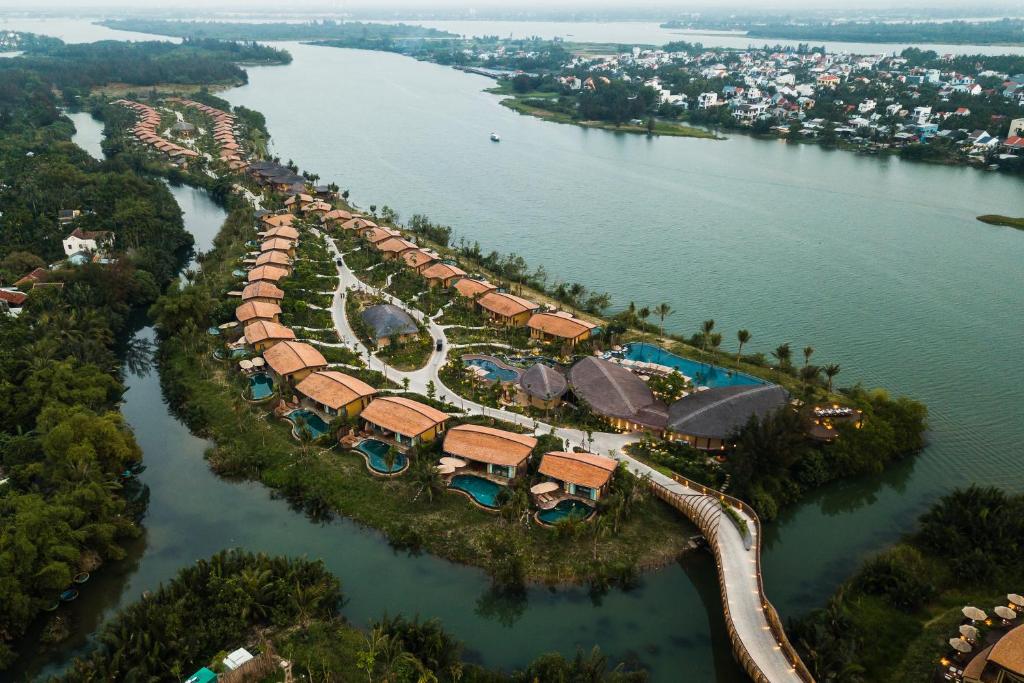
Namia Resort Retreat – Sustainable Building Materials for Eco-Friendly Architecture in Hoi An
I made a promise to a colleague from the Project Management team at HG Investment that one day, when time allowed, I would write about Namia from a professional perspective—an objective view